Holmes Sardines


Creative Musing
November 2024
__
Holmes Sardines
This internal project reflects my appreciation for vintage packaging and its rich history. I’m inspired by the hand craftsmanship of early packaging design, which beautifully captures the essence of its era. Through recreation, my aim is to preserve and honor its historical significance.

Sardine fisheries and their canning factories were prominent along the U.S. East and West Coasts from the 1870s until their decline in the mid-20th century, serving as vital industries for coastal communities. These operations not only supported local economies but also played a significant role in shaping the cultural and industrial landscape of the time. The Stinson Sardine Cannery in Prospect Harbor, Maine, was the last operating sardine cannery in the United States, closing its doors in April 2010, marking the end of an era for a once-thriving industry.


FluMist® – Packaging Design System


Client Project


FluMist® – Packaging Design System
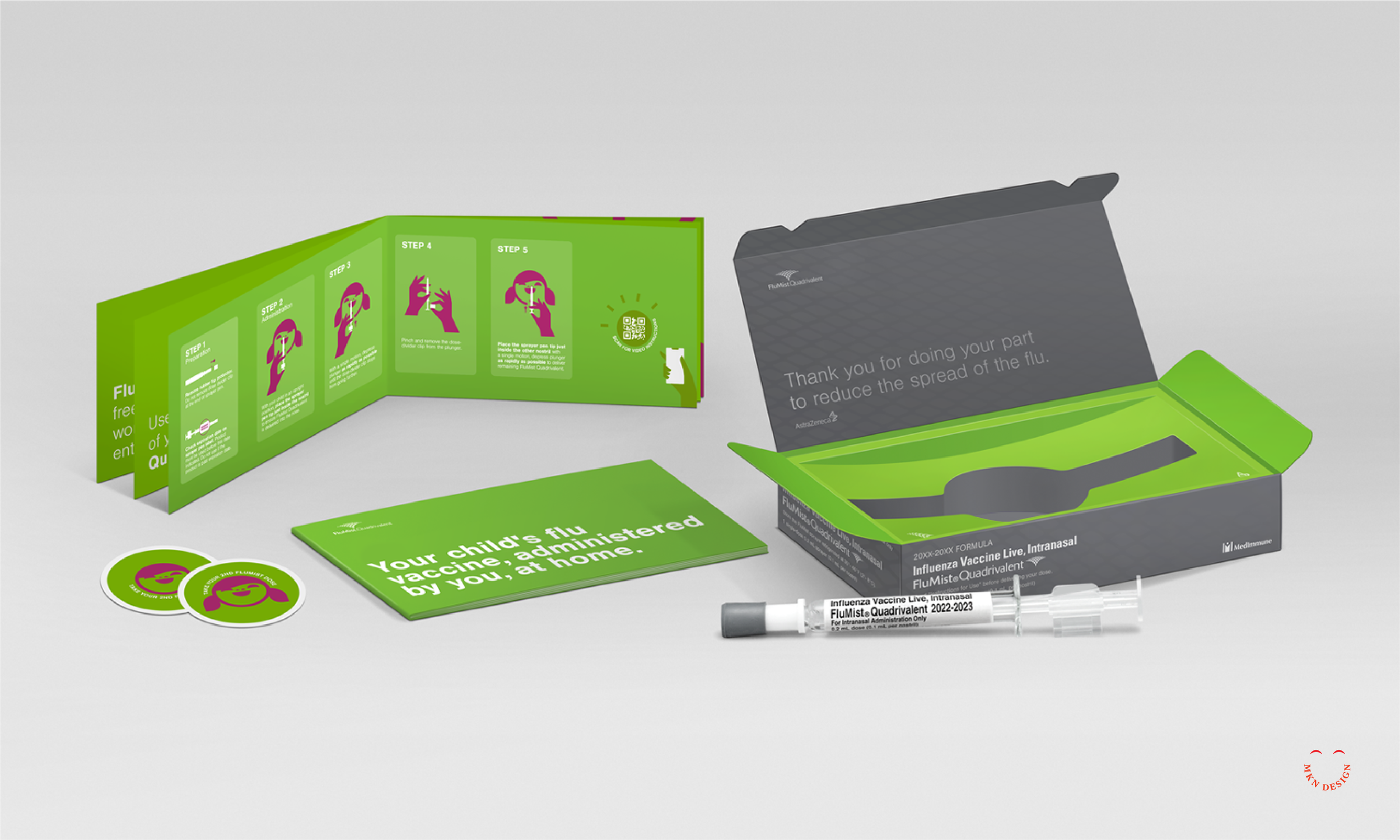
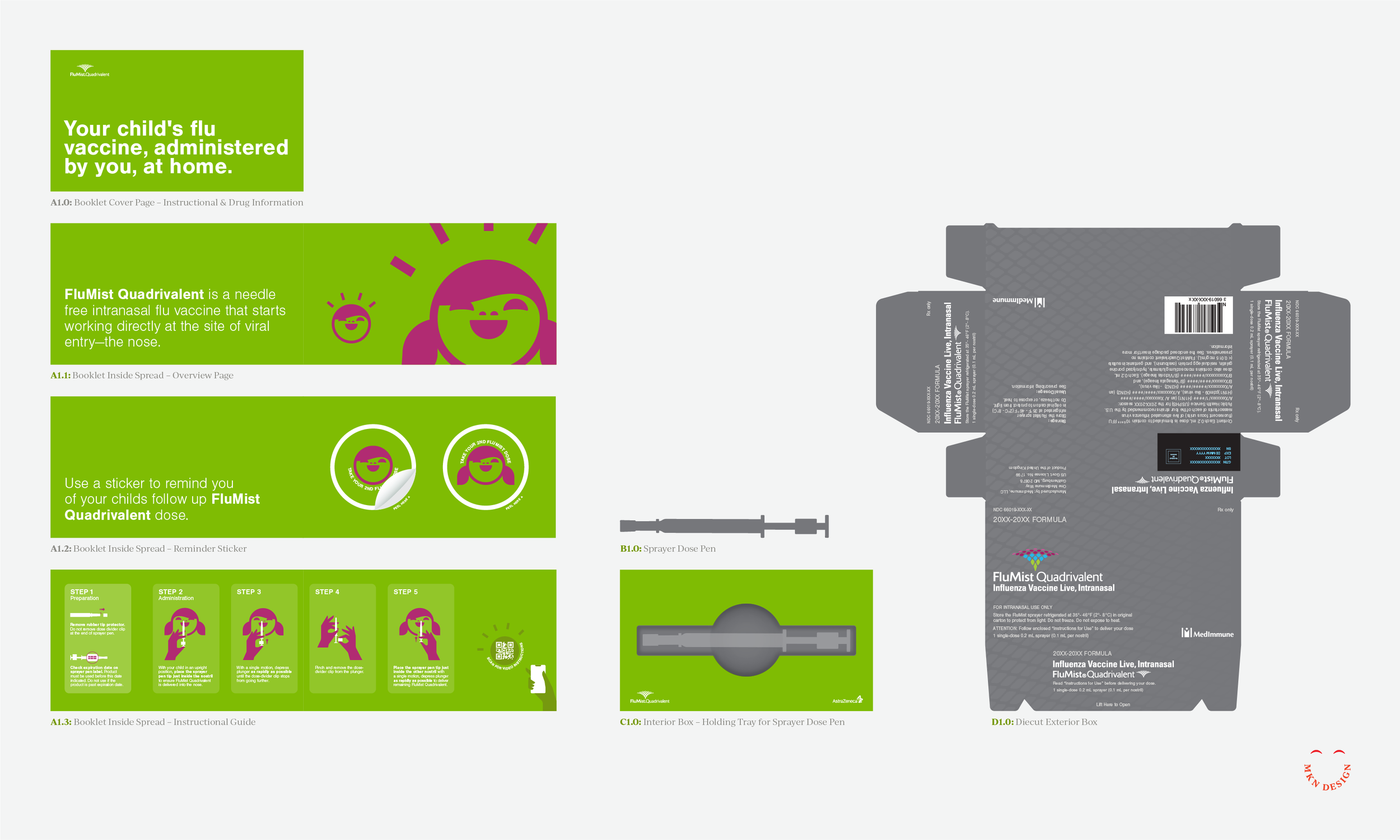
VML hired me as a packaging specialist to create a distinctive design for AstraZeneca’s FluMist®, including physical prototypes and instructional illustrations.

Given the innovative delivery method—a single-dose nasal spray rather than a traditional needle—this project also demanded a creative approach to the visual design and unboxing experience. Our design approach was dual- focused, targeting both parents and children and included exterior and interior design considerations.

The system included a clear visual guide for administering the dose, reminder stickers, and the physical dose mechanism, all designed to work cohesively within the overall experience.

To achieve an approachable, refined, and safe feel for the design and unboxing experience, we incorporated the brand’s vibrant color palette, friendly typography, and playful illustrations. Our goal was to instill a sense of trustworthiness, friendliness, and clarity in both the exterior and interior packaging while ensuring all strict FDA packaging regulations were prominently displayed. This approach created an unboxing experience that was engaging, clear, and professional, balancing approachability and safety.

Successful packaging begins with a deep understanding of who it’s being designed for, guiding both the visual direction and overall strategy. Equally important is having the expertise to design and develop physical mock-ups, which help identify structural requirements and limitations before applying the visual design. Creating these mock-ups further strengthens the process by providing real-world insight into how the structure, materials, and design elements work together. This ensures that the visual and structural components align seamlessly with the overall design goals, especially within strict pharmaceutical guidelines.

 
  • AstraZeneca
    Pharmaceuticals & Biotechnology

  • Packaging Design System

  • + Communication Design
    + Concept Development
    + Creative Assets
    + Instructional Illustration
    + Physical Prototyping
    + Photoshop & Physical Mockups
    + Qualitative Research
    + Unboxing Experience


KitchenAid – Packaging Design System


Client Project


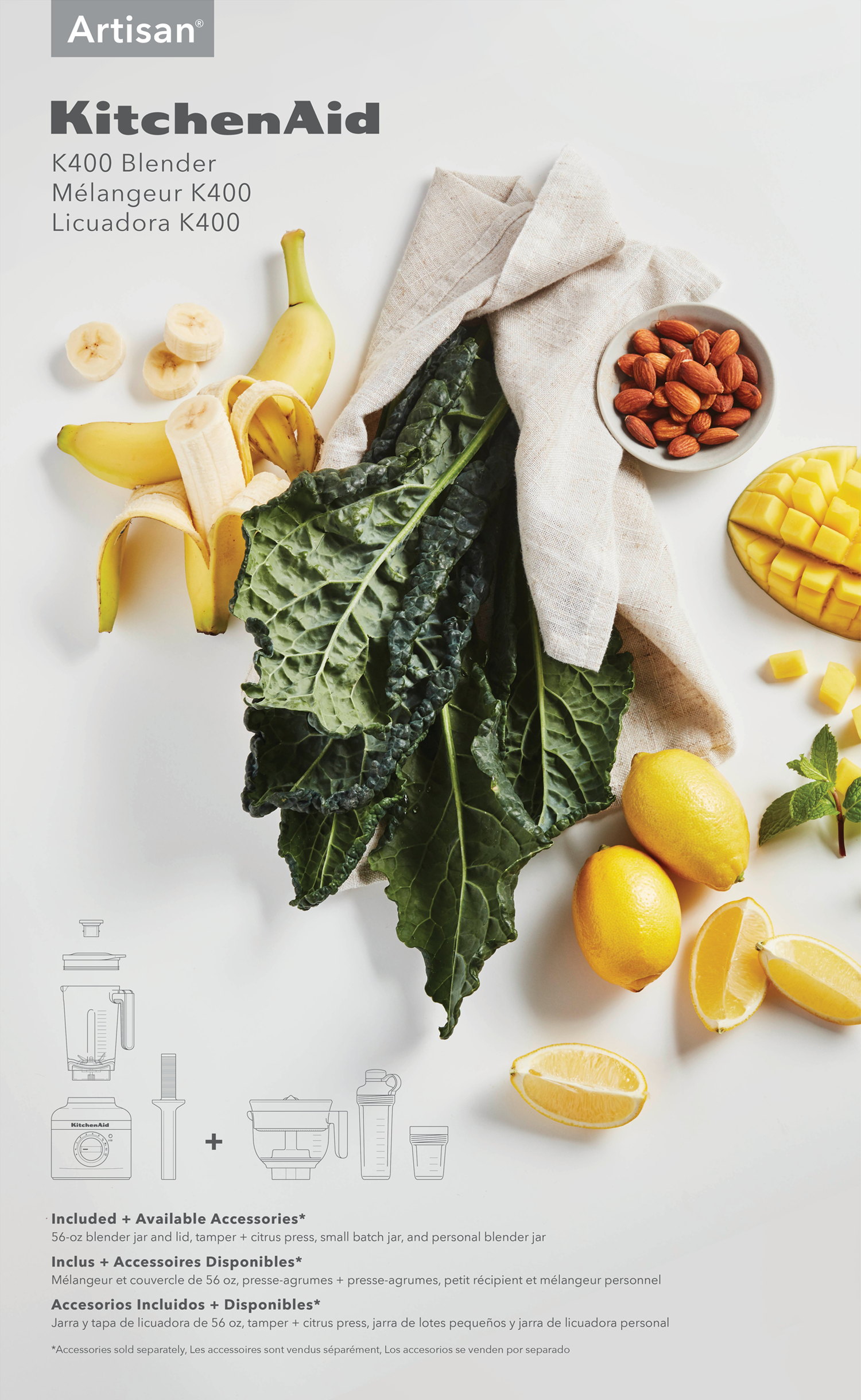
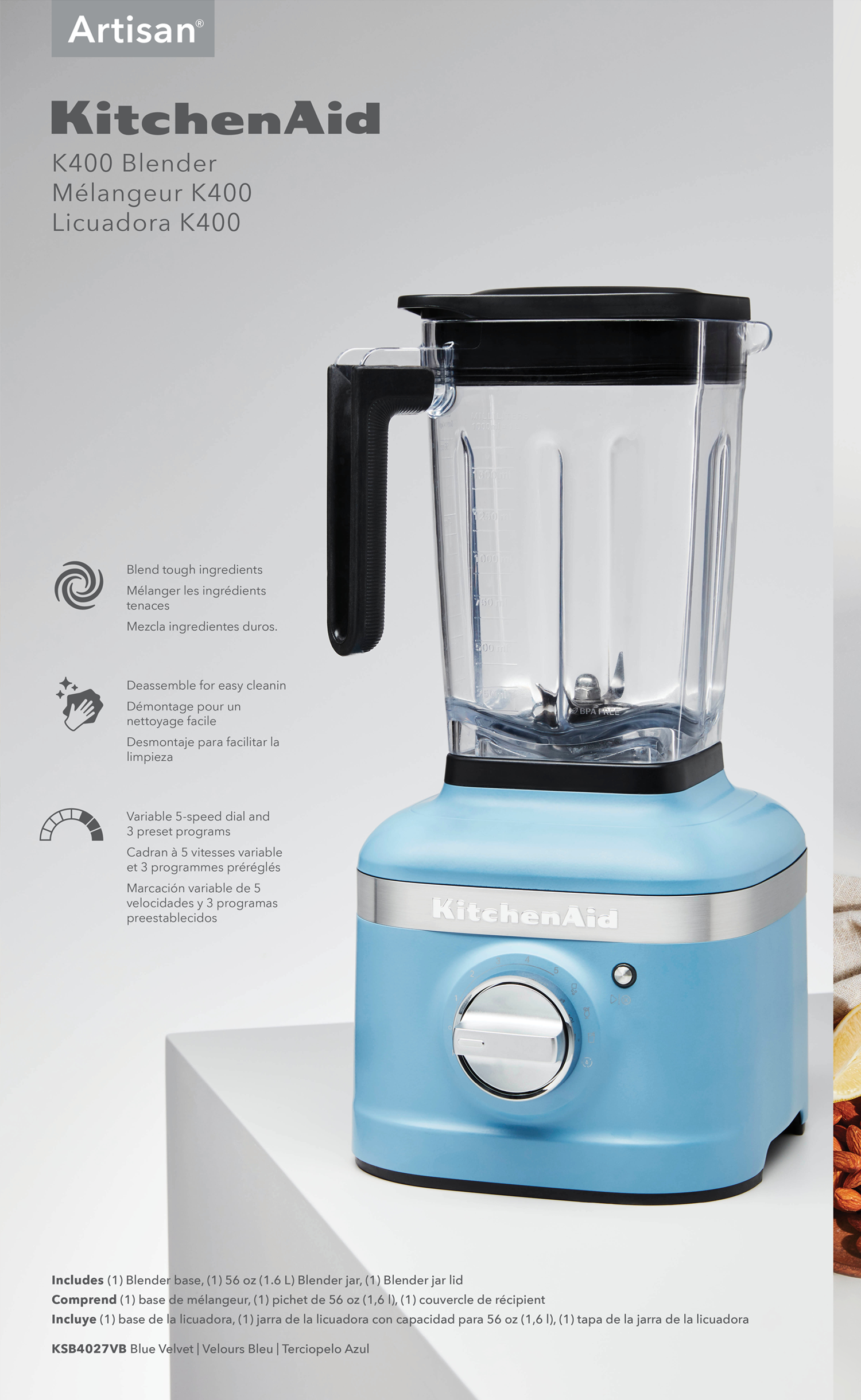
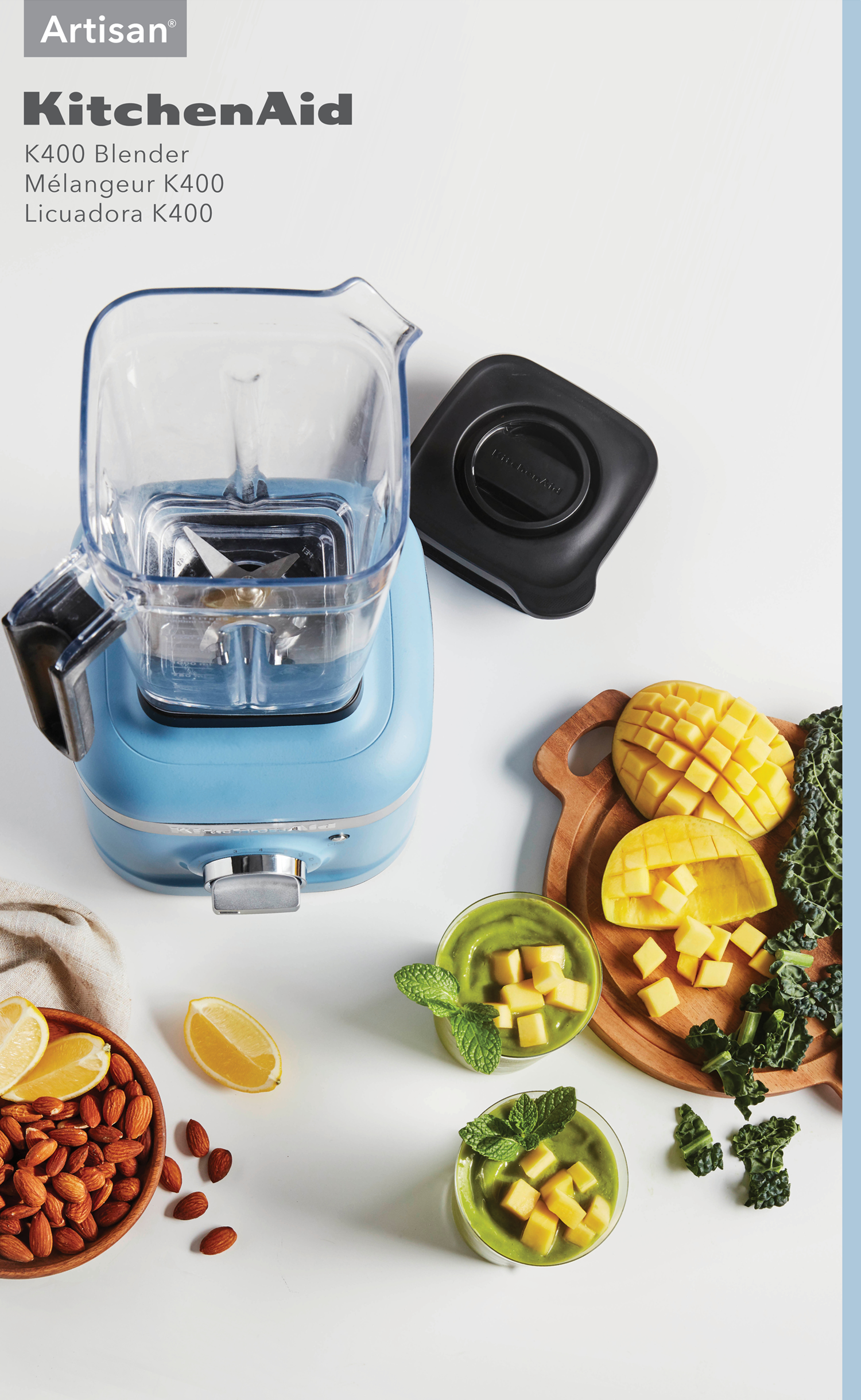
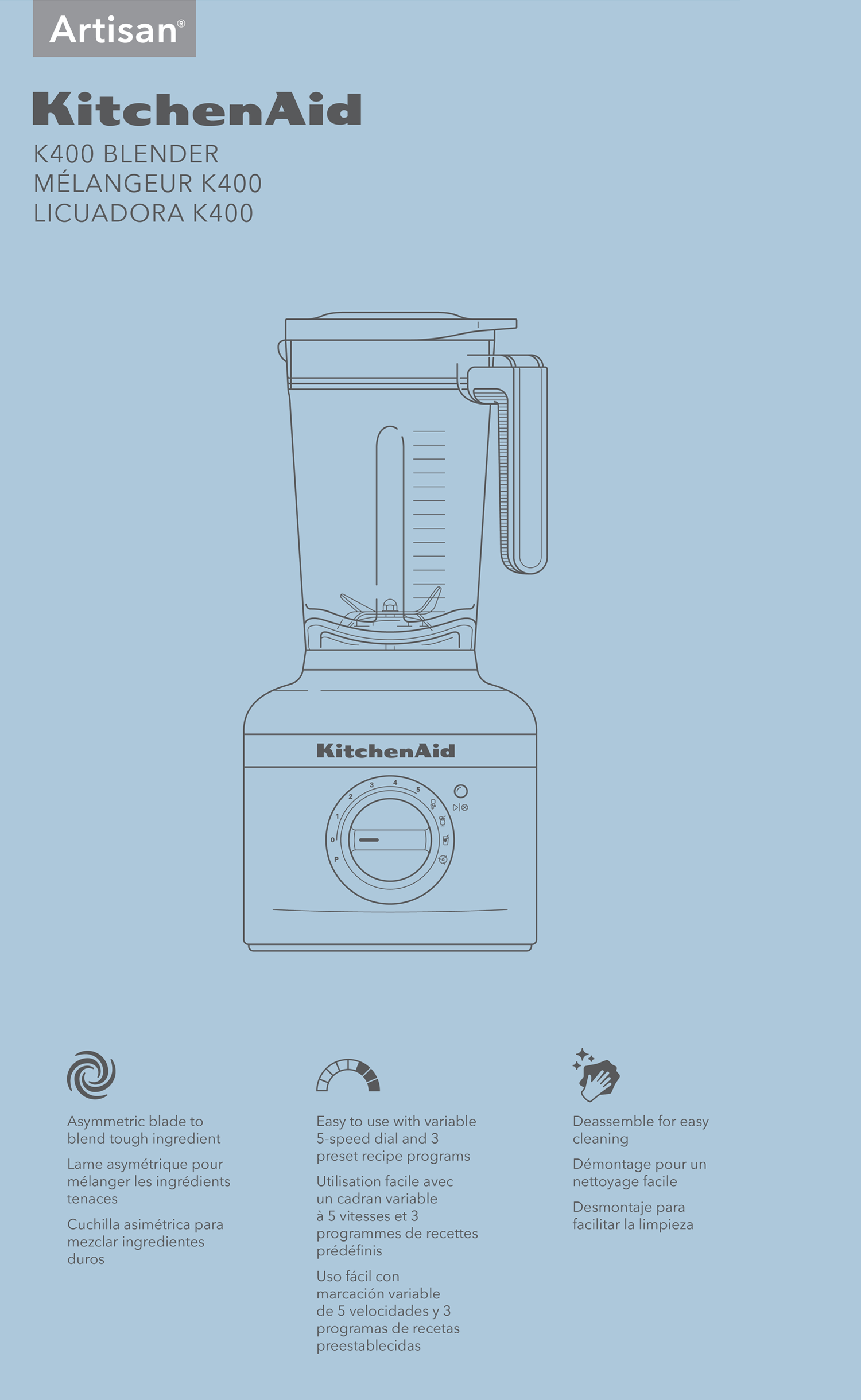
KitchenAid – Packaging Design System
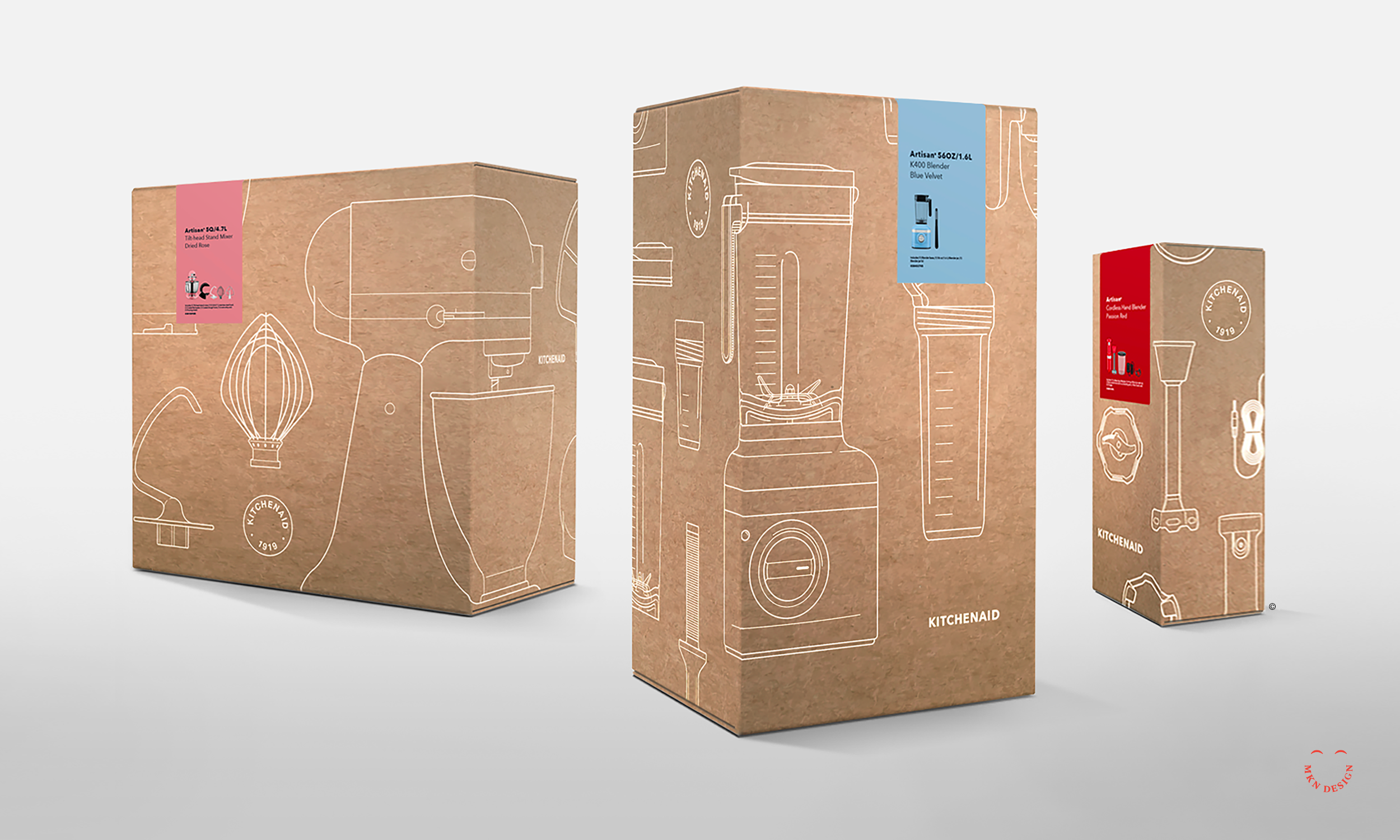
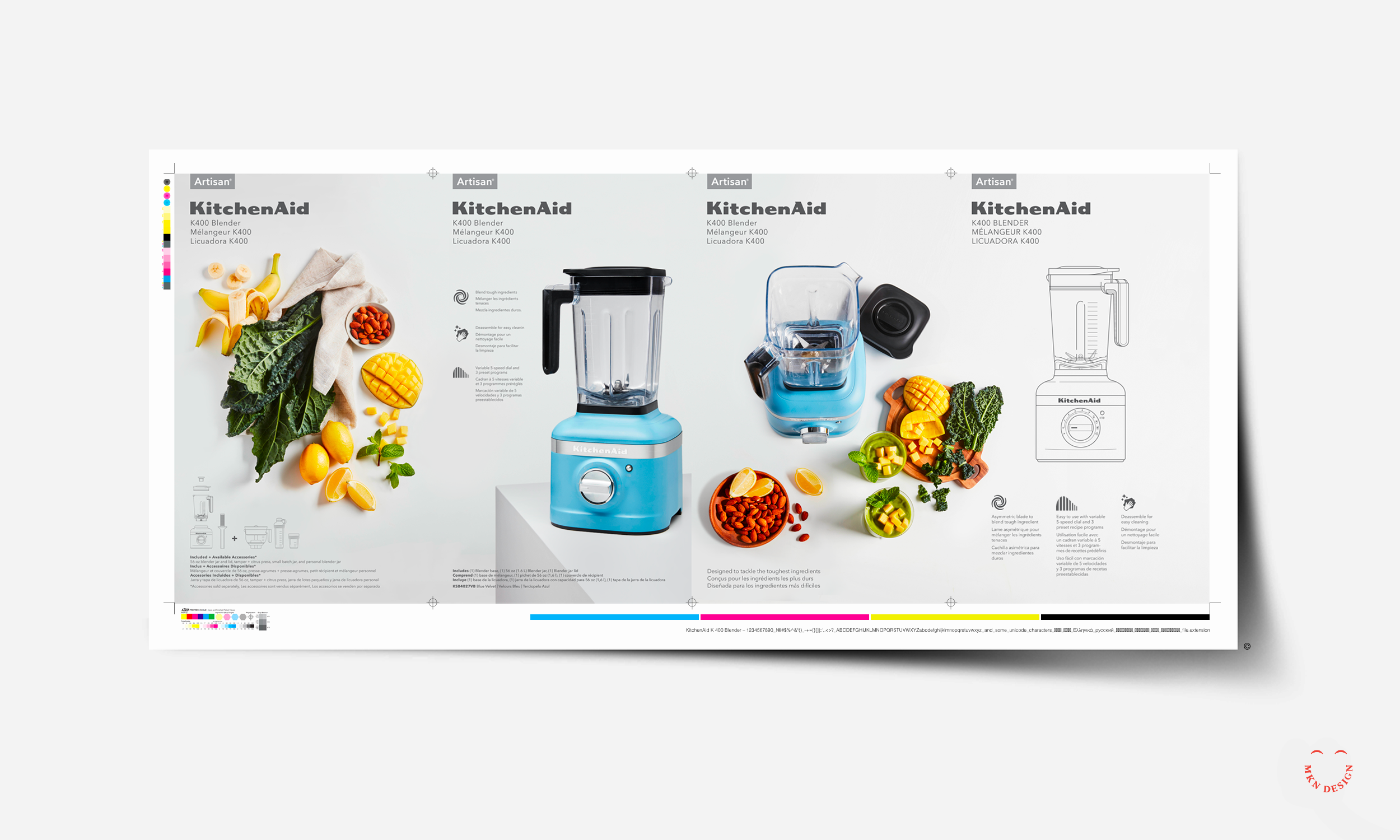
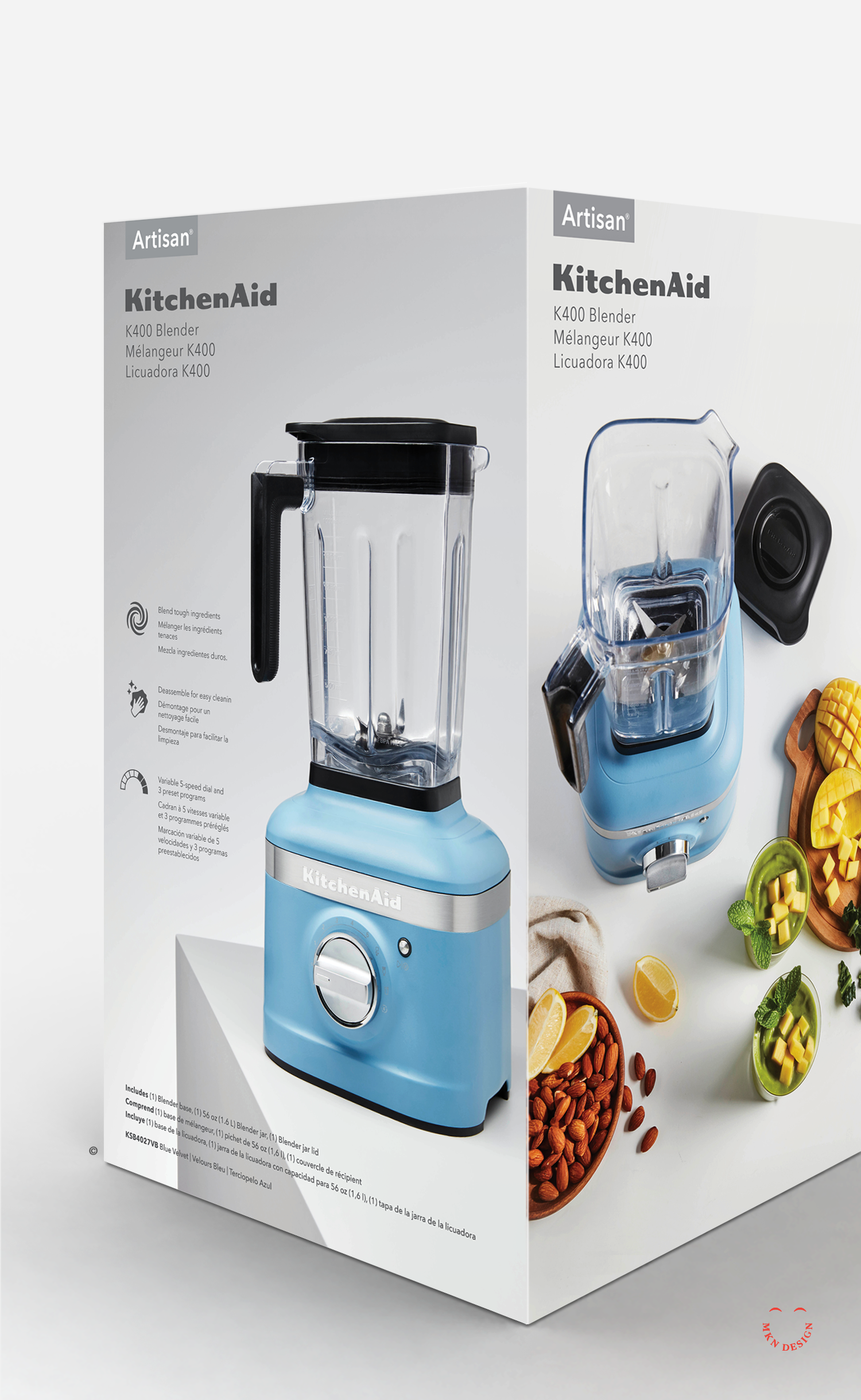
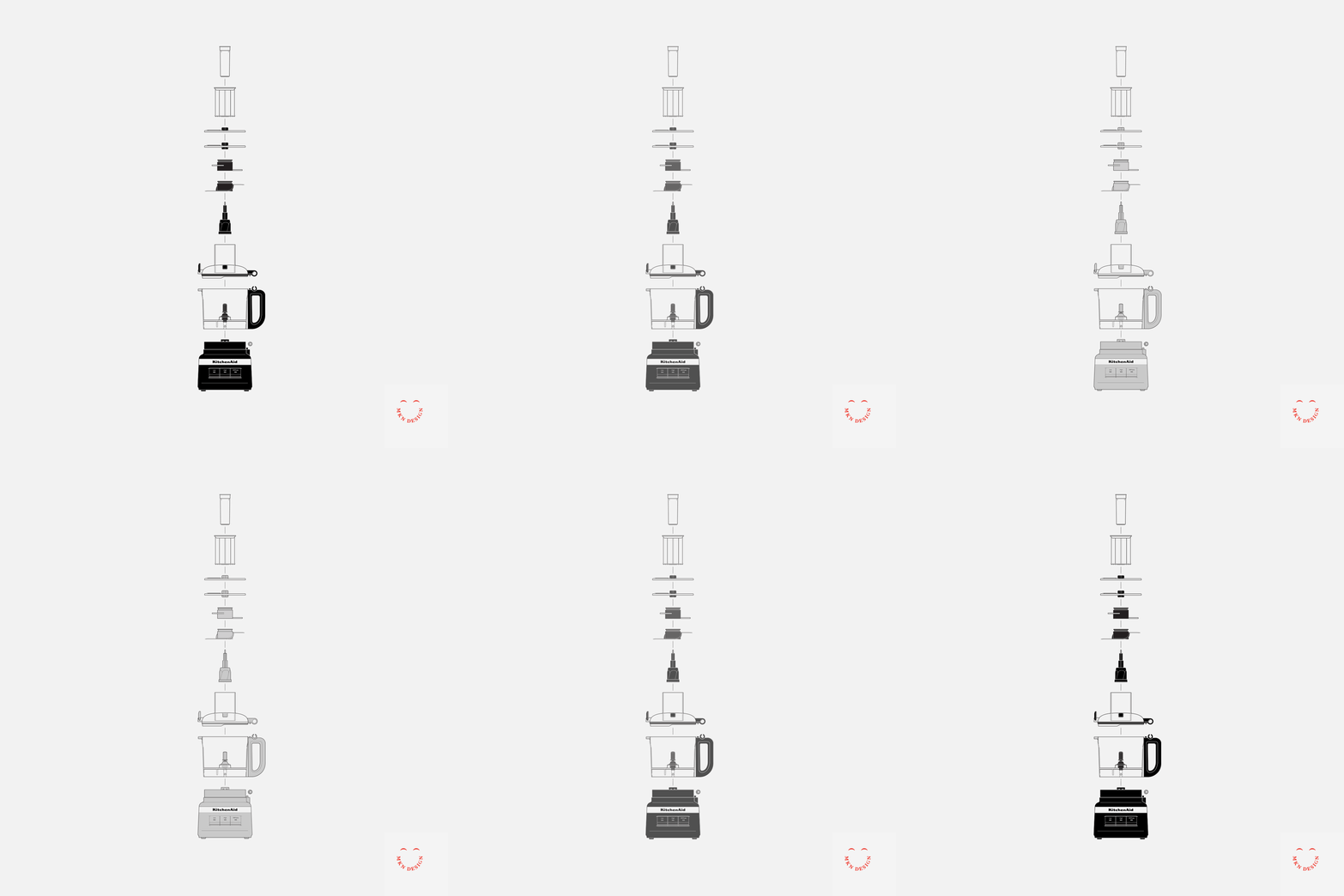
We were hired by KitchenAid to collaborate with their team of designers, engineers, photographers, and food stylists to define, develop, and design innovative packaging concepts for their award winning appliance products.

When KitchenAid approached me, they weren’t just looking to refresh their packaging—they were looking to reimagine how their iconic products could better connect to consumers, stand out on store shelves alongside competing brands, and reflect the modern, design-forward brand they had become. At the same time, they wanted to ensure that any evolution stayed rooted in the heritage that made KitchenAid a household name—especially with their globally recognized stand mixer.

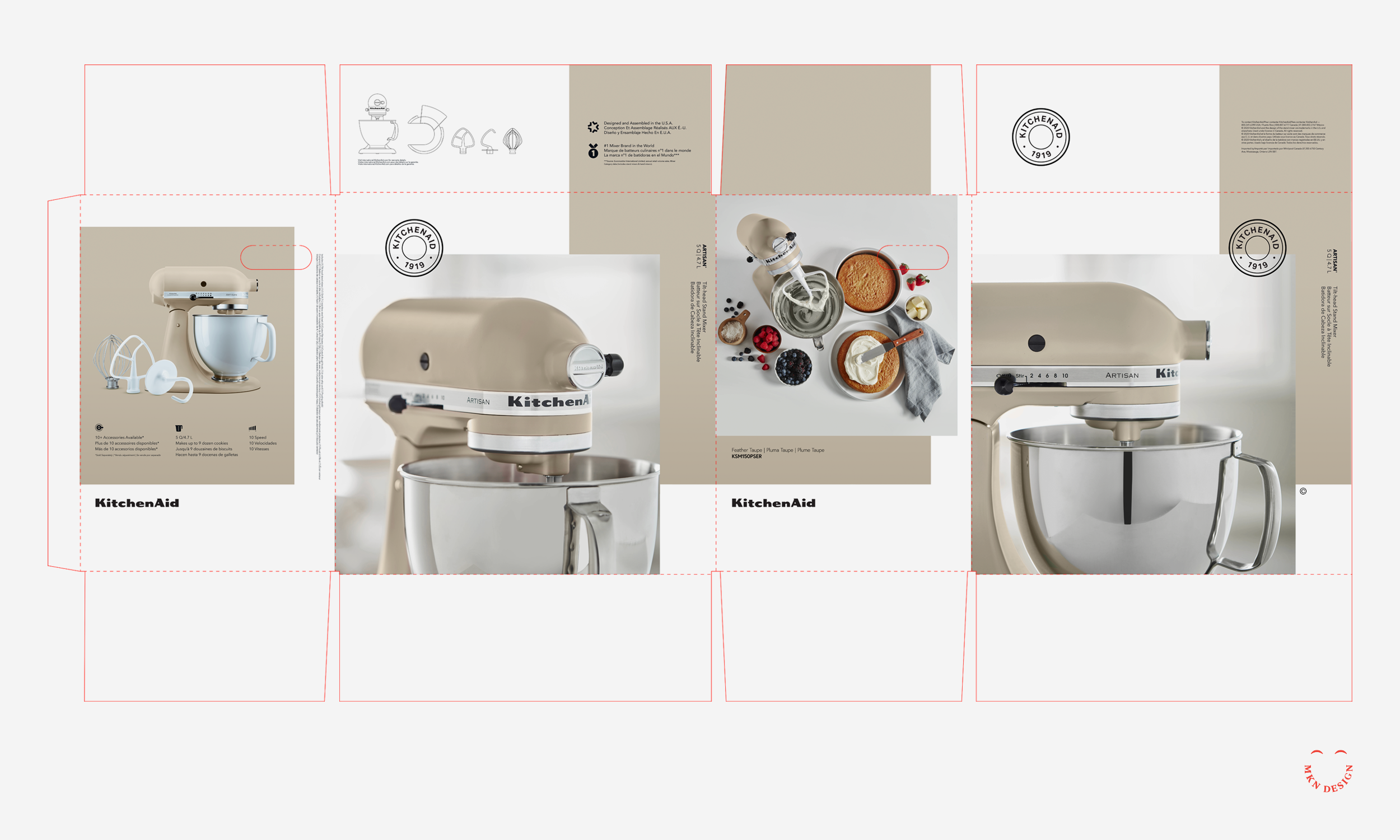
Building on research and consumer insights from the first phase, we developed a clear design strategy to guide multiple packaging concepts—showcasing KitchenAid’s products as innovative, high-quality, and reinforcing the brand’s position as a leader in kitchen appliances.

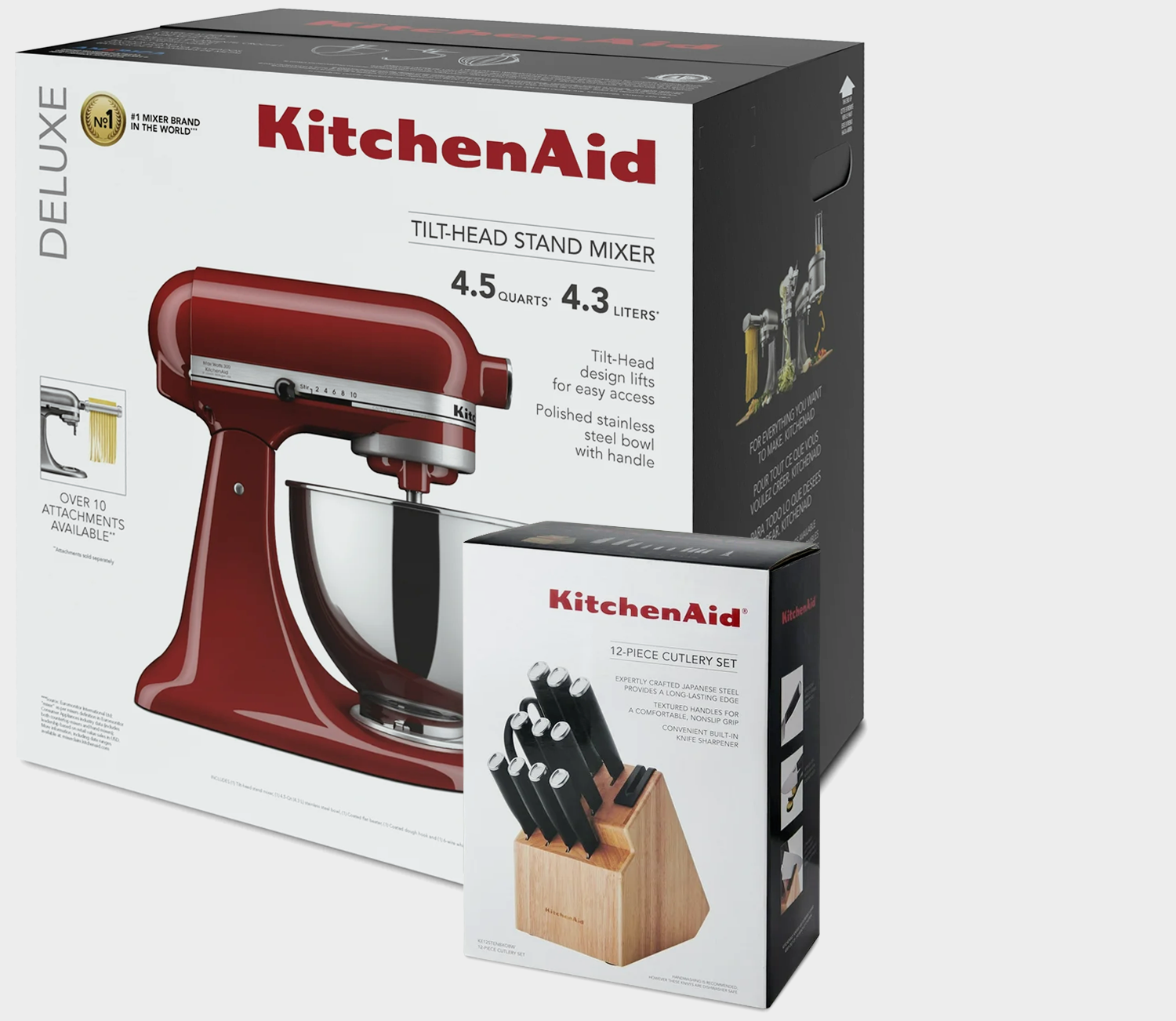
When we audited the existing packaging, it became evident that it no longer reflected the expectations of today’s consumers or the evolution of KitchenAid’s products. In a market moving toward bold simplicity, clean visual storytelling, and modern minimalism, the packaging appeared dark, cluttered, and outdated.

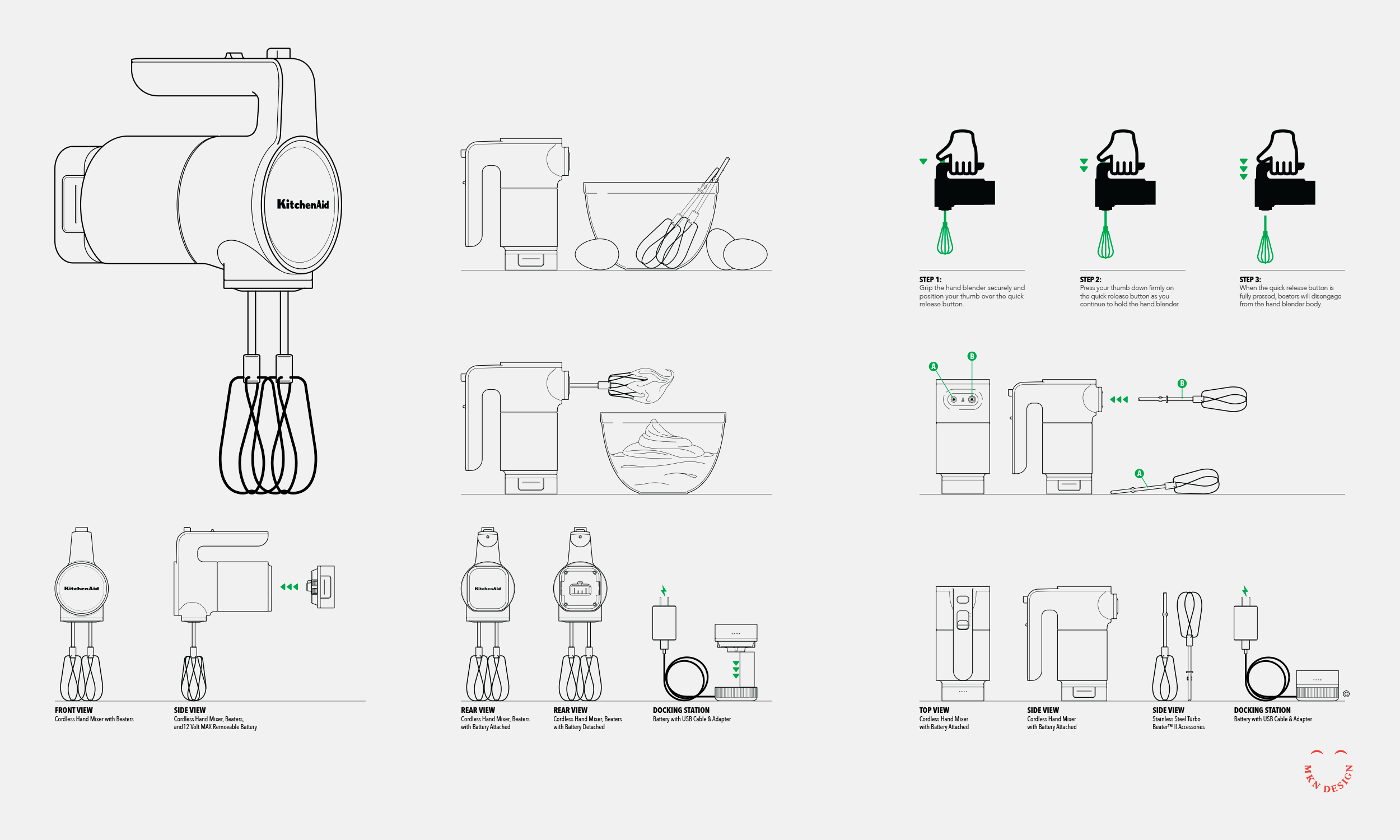
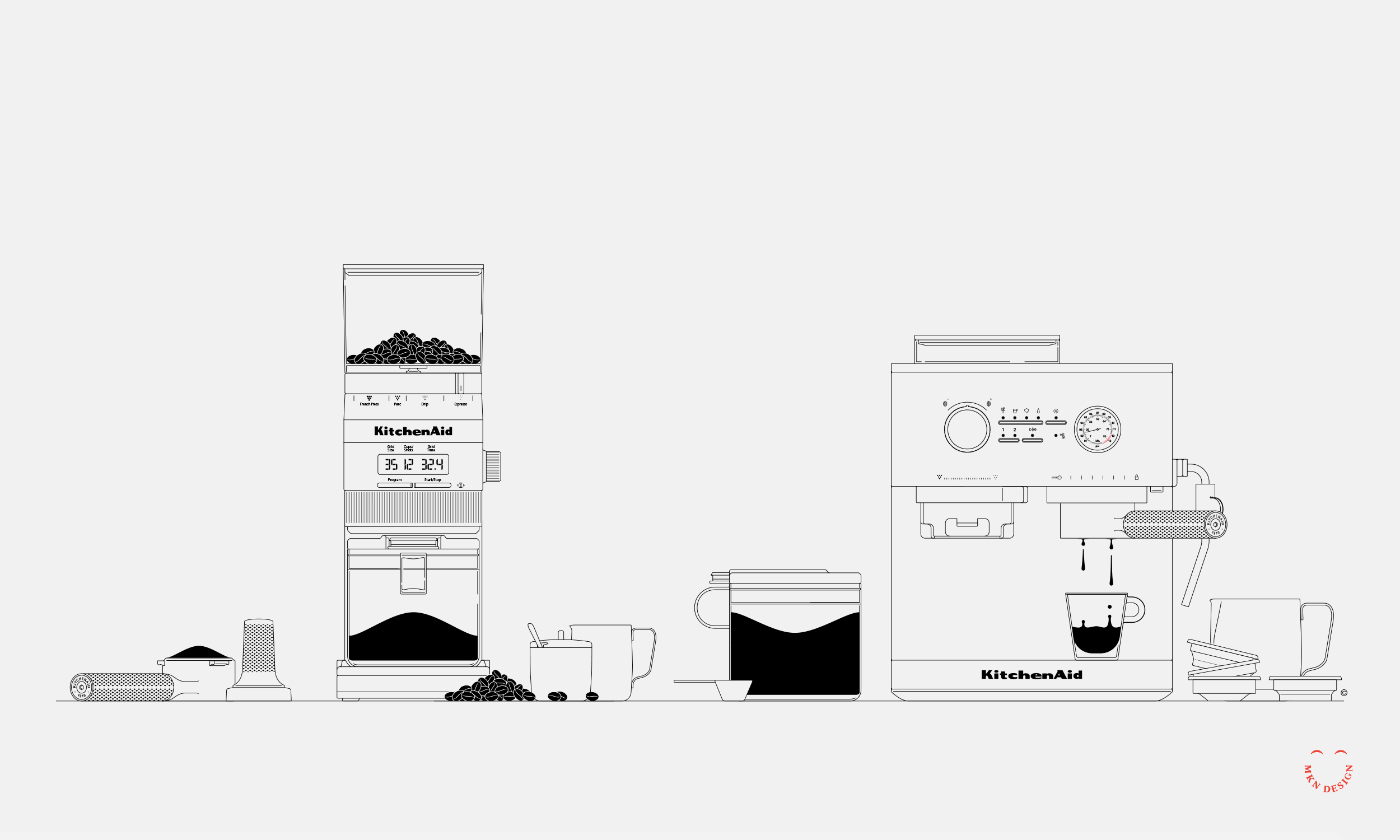
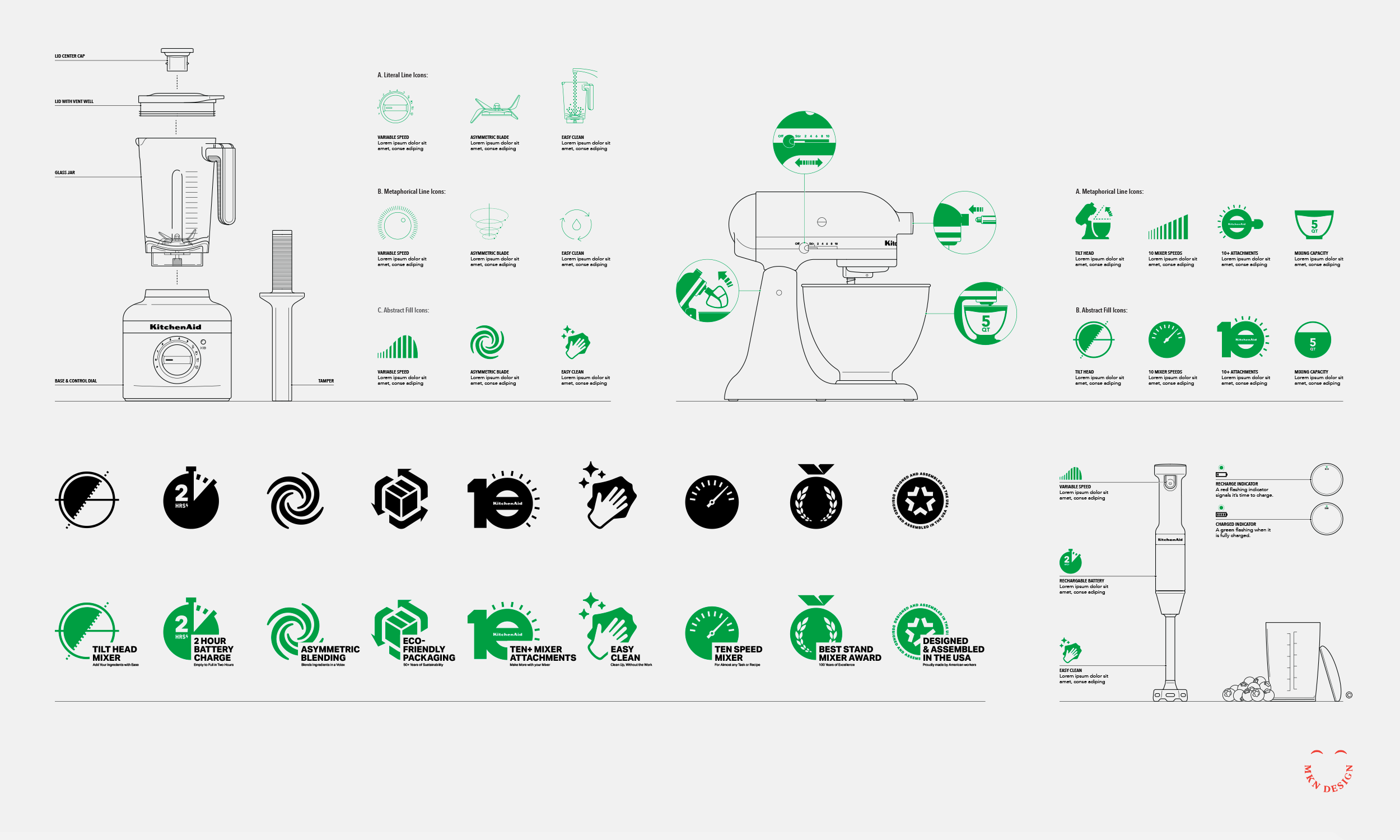
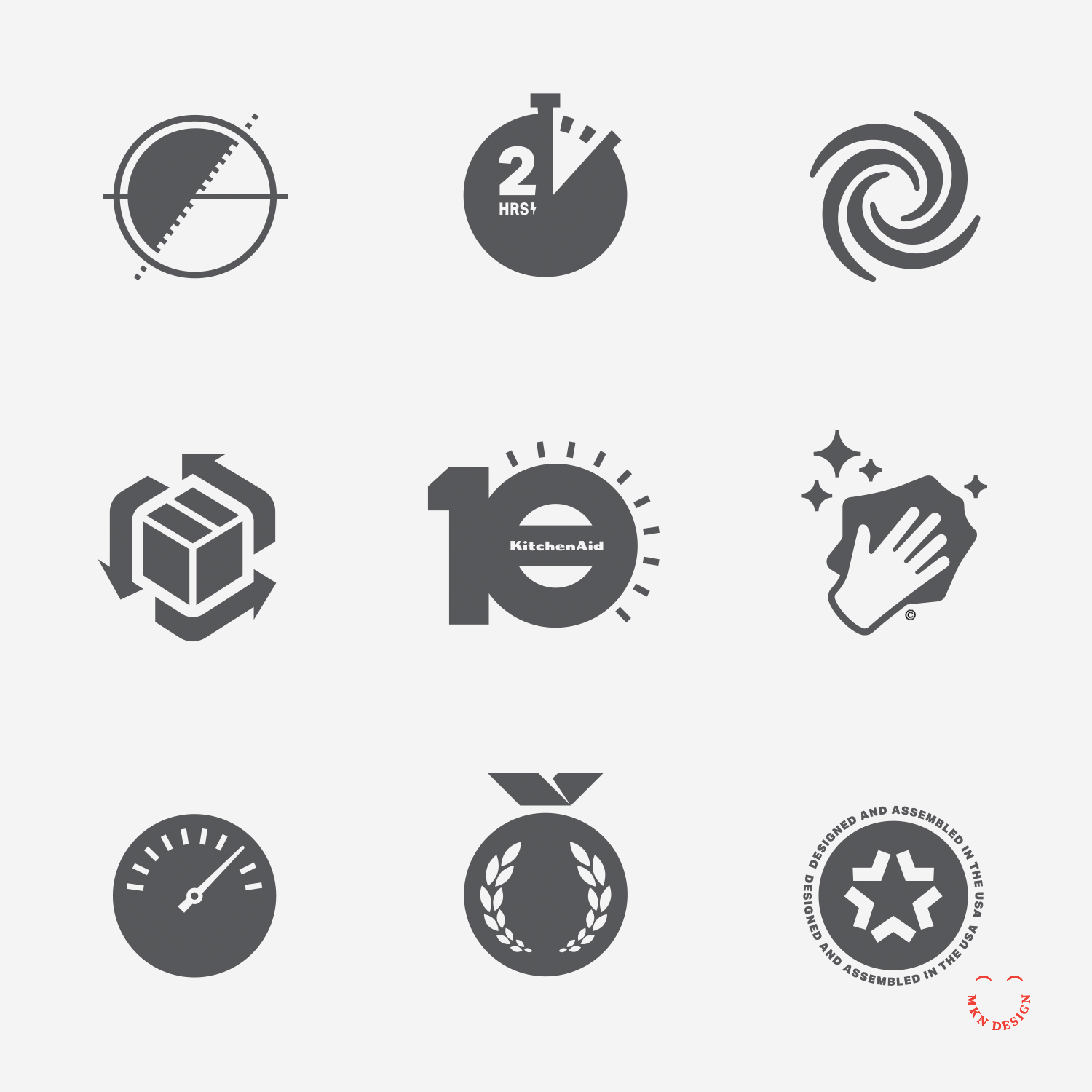
The design challenge was clear—reimagine the packaging in a way that honored KitchenAid’s heritage, spoke directly to today’s consumers, and embraced a modern visual language. To support this evolution, we also conceptualized a modern iconography language and illustrative system that could seamlessly integrate across the new packaging.

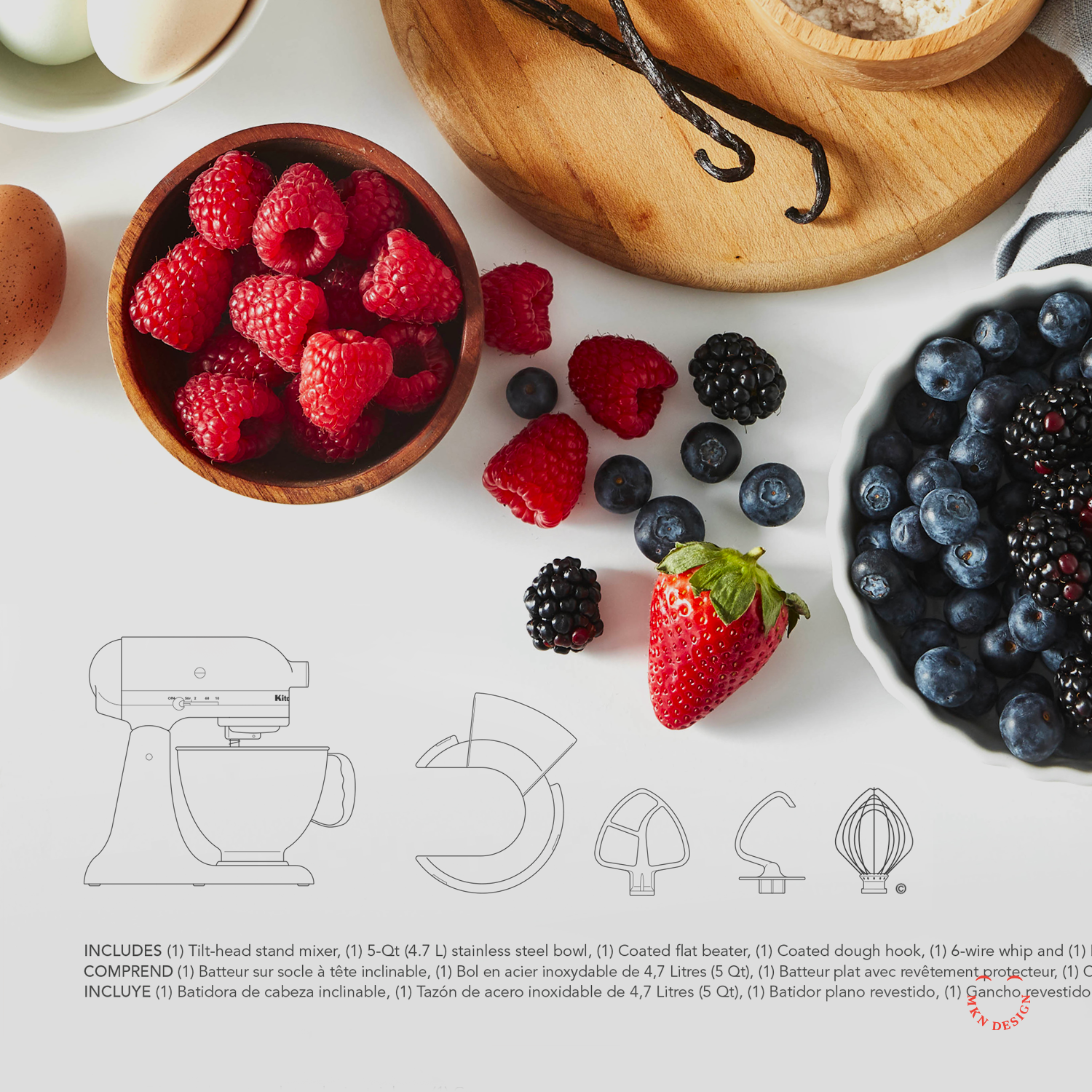
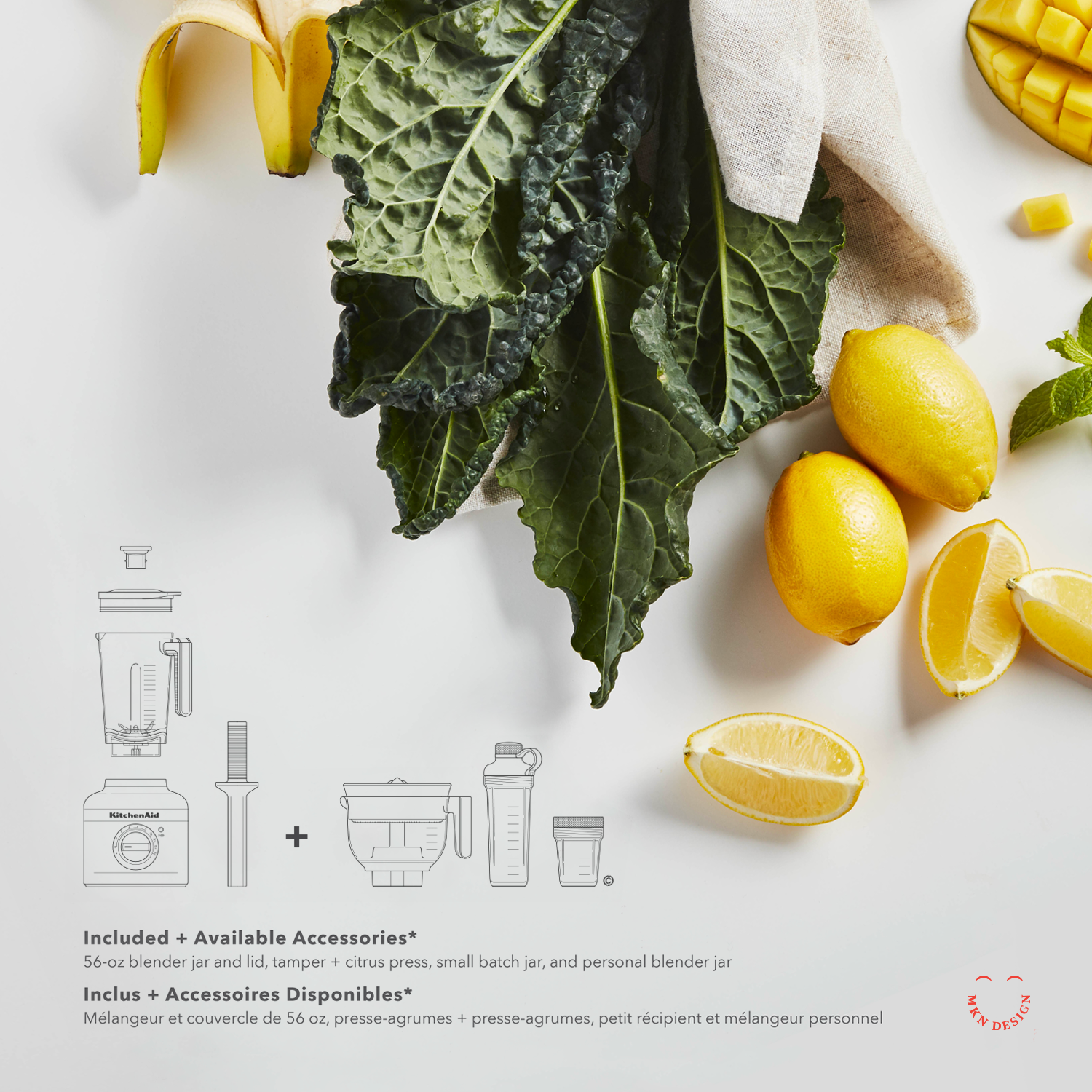
Working closely with the internal KitchenAid team, we began by diving into consumer insights, packaging trends, and design systems across related industries while also bringing our own creative perspective to the process. From this research, we developed a series of concepts built on a refined visual language that combined bespoke product illustrations with photography to drive storytelling, supported by iconography, color, and typography. All of this was organized within a thoughtful packaging system that could extend across product lines and packaging sizes, reinforcing the brand while prioritizing clarity and consumer engagement.

The final result was a flexible, strategic packaging system that scaled across all products—unmistakably KitchenAid, while reinforcing the brand and putting clarity and consumer engagement at the forefront.

This project came to life through a true cross-disciplinary partnership. Designers, packaging engineers, photographers, and CMF teams each brought their own craft, perspective, and problem-solving to the table—layering ideas, refining details, and ultimately shaping the final packaging concepts together.


↑ Original KitchenAid Packaging

 
  • KitchenAid
    Kitchen Appliance Manufacturing

  • Product Packaging System Design

  • + Branded Iconography
    + Communication Design
    + Concept Development
    + Consumer & Trend Research
    + Iconography System Design
    + Instructional Illustration
    + Photoshop & Physical Mock-ups
    + Product Research
    + Qualitative Research


Peacock Pencils


Creative Musing
March 2018

__
Peacock Pencils
Simple mark for a selection of 12 colored pencil crayons. The mark is paired with the typeface Gotham designed by Jonathan Hoefler and Tobias Frere-Jones.


SpartanNash – Corporate Responsibility Report


Client Project


SpartanNash – Corporate Responsibility Report
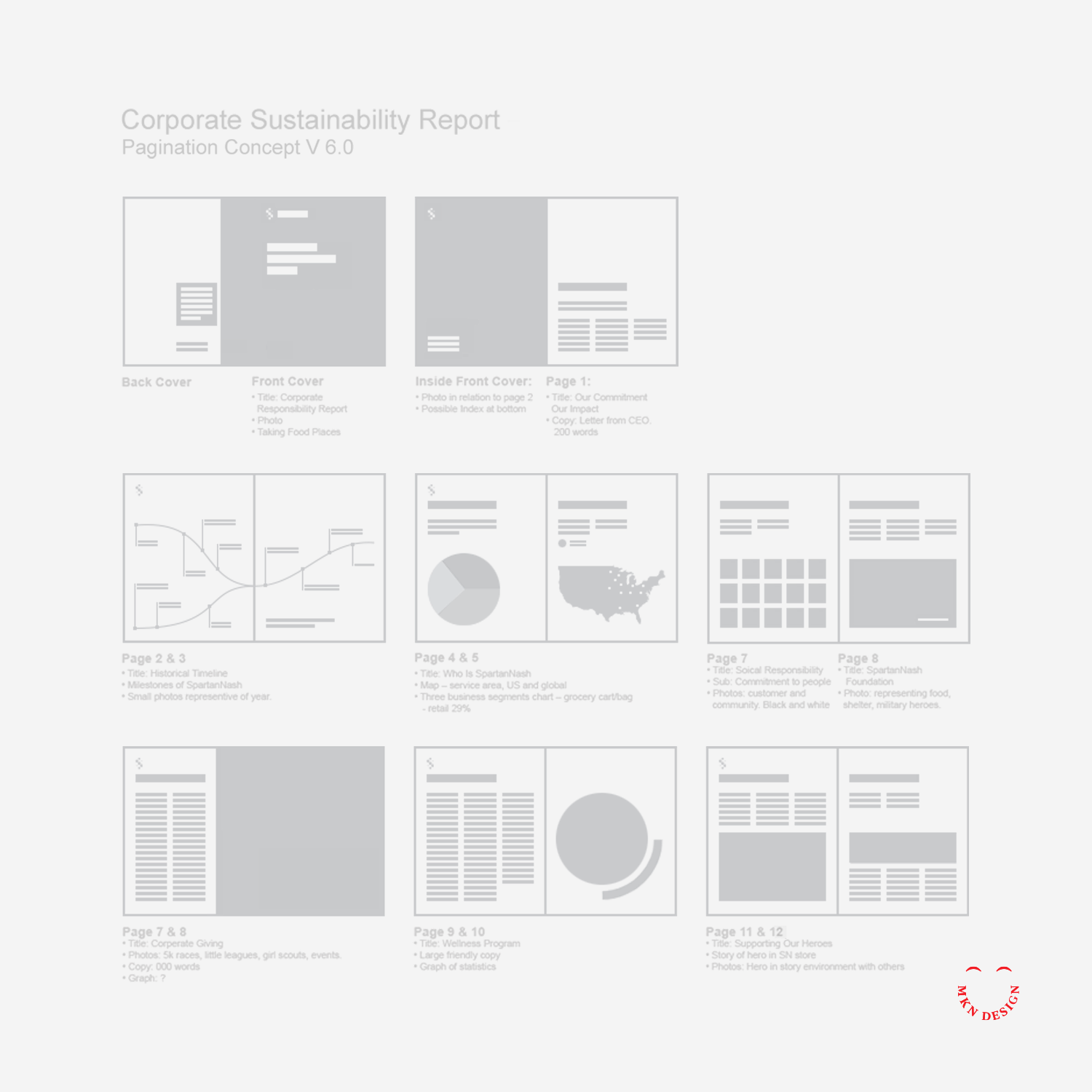
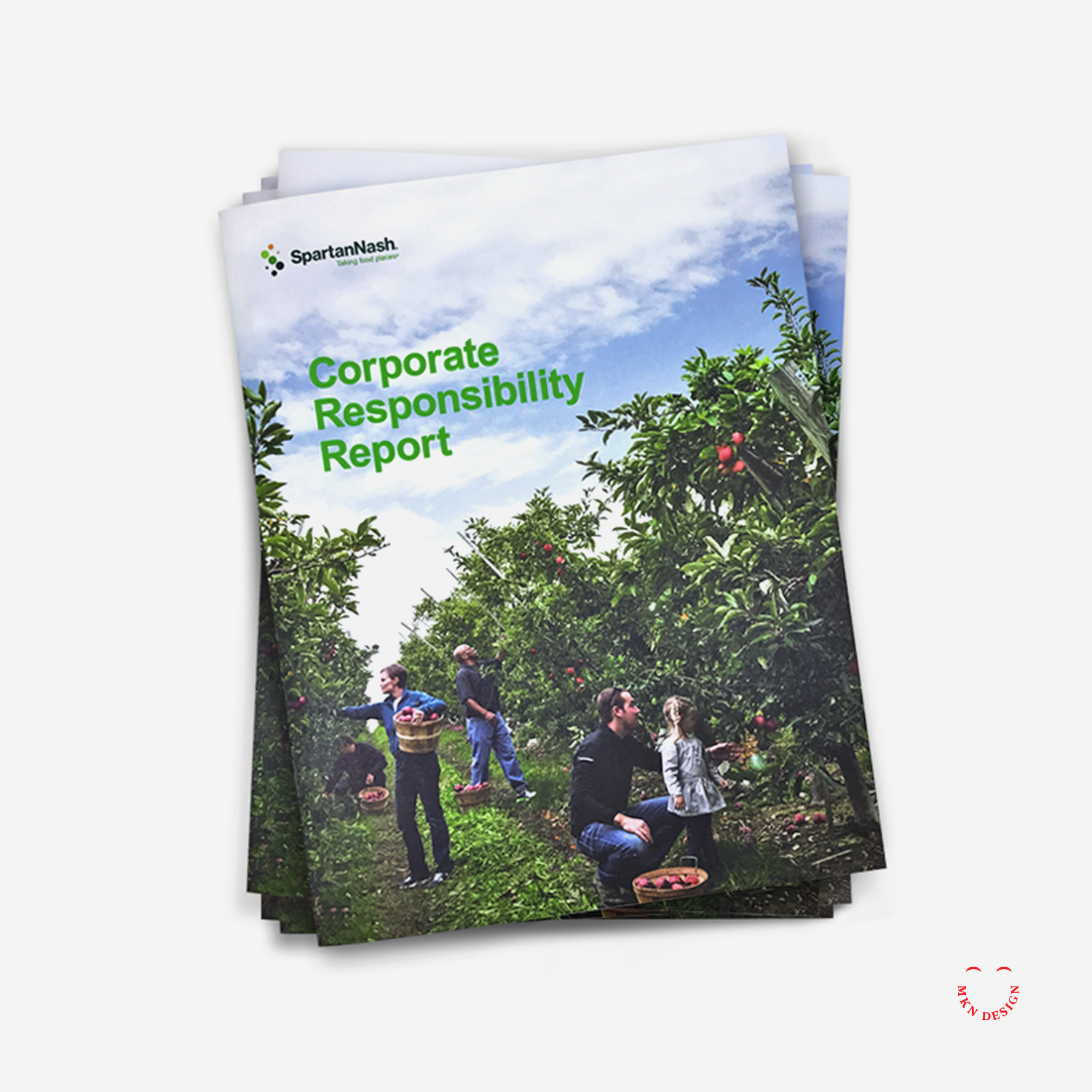
Hired by SpartanNash, I collaborated with their marketing team to direct, develop, and design a 36-page corporate responsibility report. Headquartered in Michigan, SpartanNash is the largest food distributor in the U.S., serving independent grocers, military commissaries, and corporate-owned retail stores across 44 states.
Serving as design director, I led the process to the development and design of the report, highlighting SpartanNash’s core values, diverse capabilities, community engagement, and commitment to environmental responsibility through a strategic combination of copy, visuals, design, and infographics.

Following a guided design process, I reviewed and analyzed SpartanNash’s areas of social and environmental responsibility, shaping each section to tell the story of their sustainable journey. By integrating storytelling with design, we connected their core values, capabilities, and community efforts into a cohesive narrative.

The final brochure brought SpartanNash’s story to life, combining compelling visuals, informative infographics, and clear, engaging design to communicate their achievements and initiatives. Serving as both a visually engaging and practical reference, it reinforced the company’s commitment to sustainability, community, and corporate responsibility, resulting in a comprehensive and impactful sustainability report.

 
  • SpartanNash
    Food Wholesale & Retail Grocer

  • Corporate Responsibility Report

  • + Communication Design
    + Concept Development
    + Illustrative Storytelling
    + Product Research
    + Pagination Desgin
    + Qualitative Research
    + Sketching & Ideation
    + Visual Identity System


Religion & Liberty – Rebrand & Magazine System Design


Client Project


Religion & Liberty – Rebrand & Magazine System Design
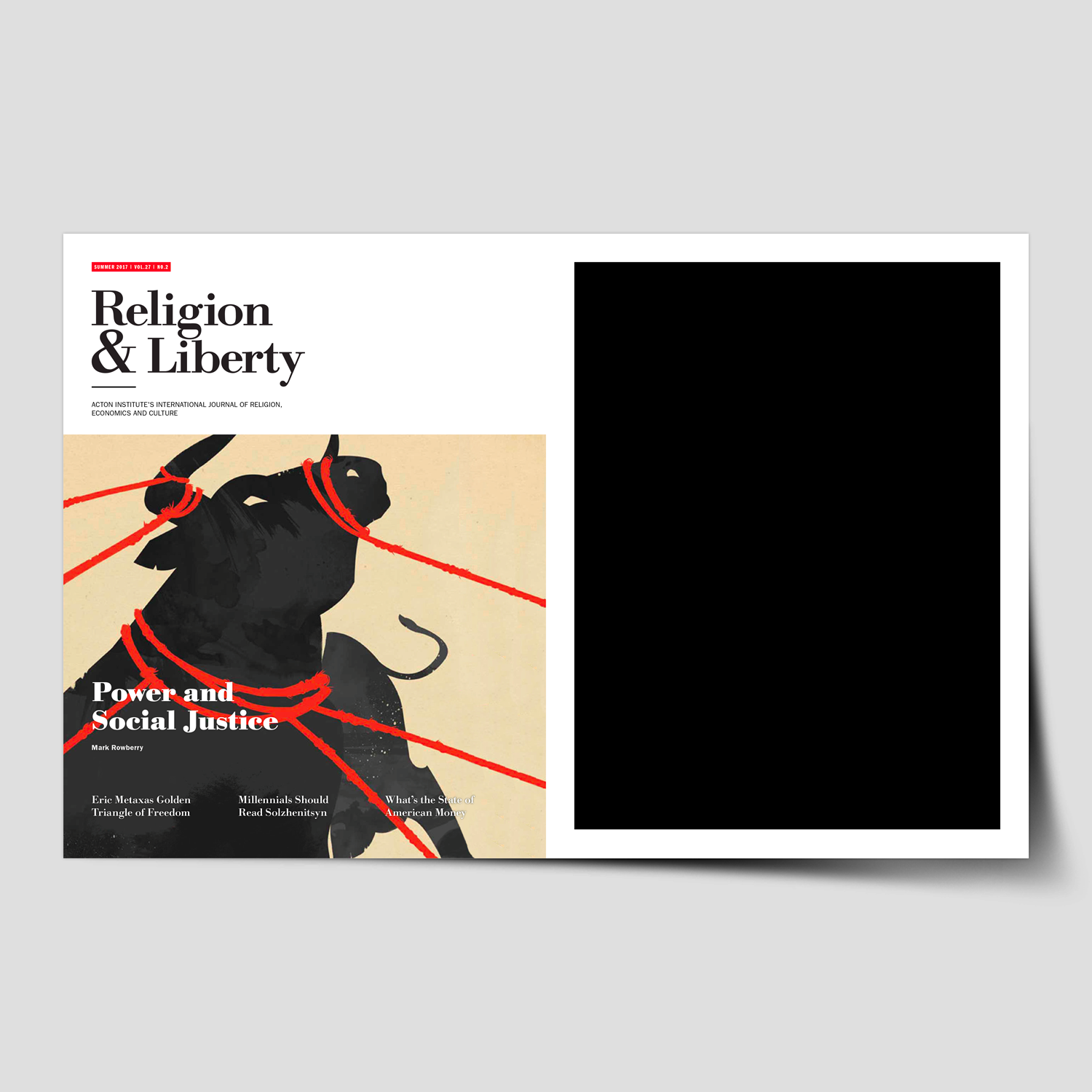
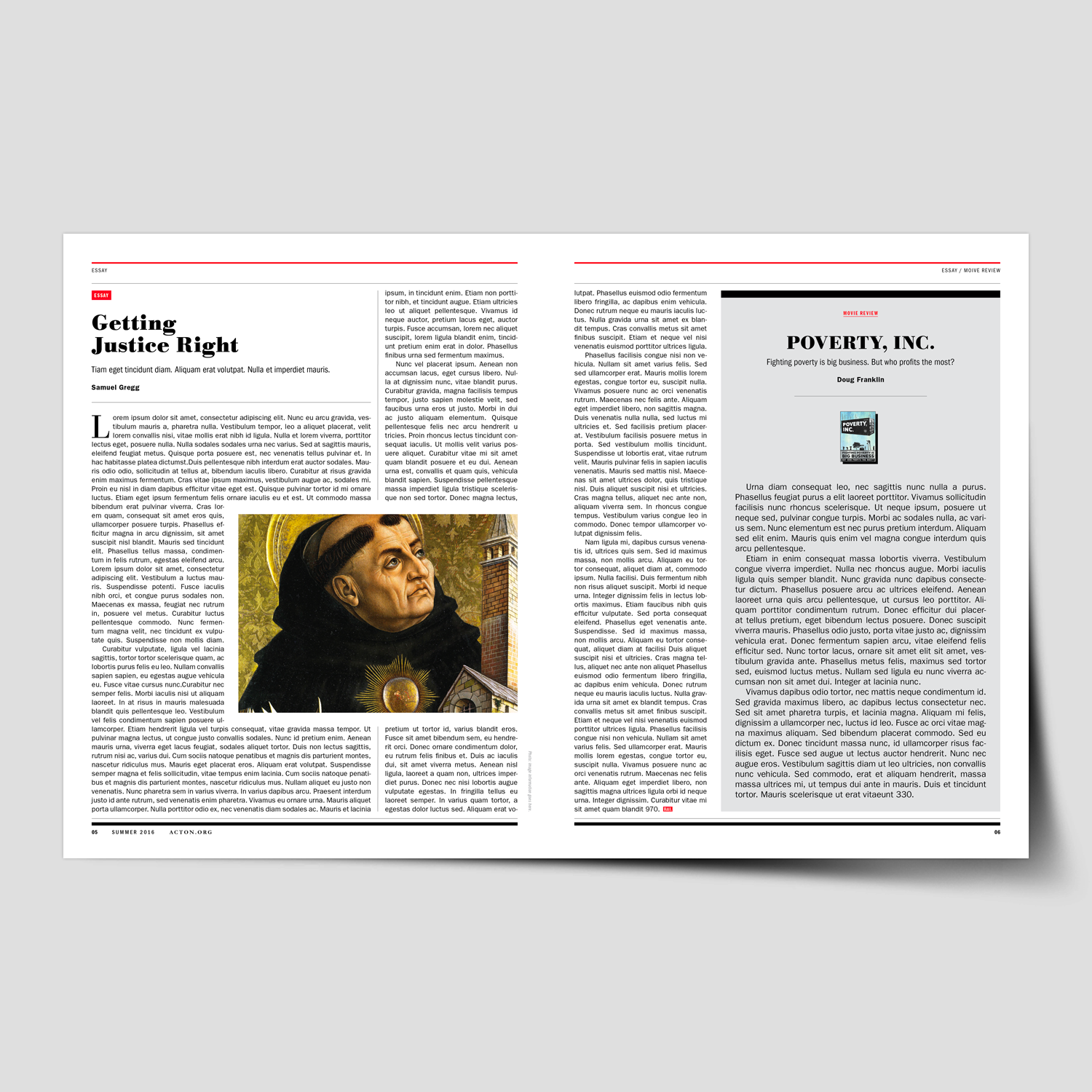
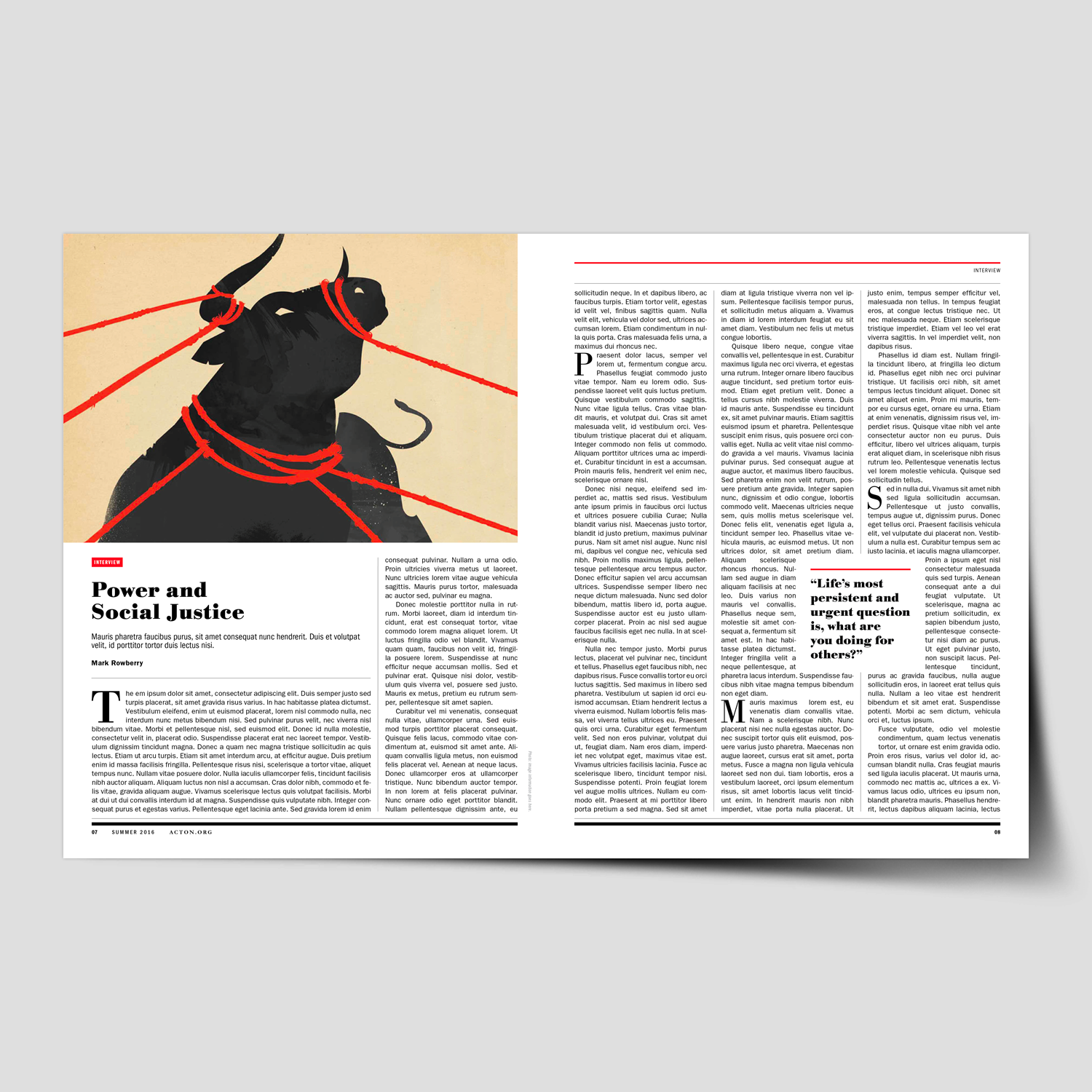
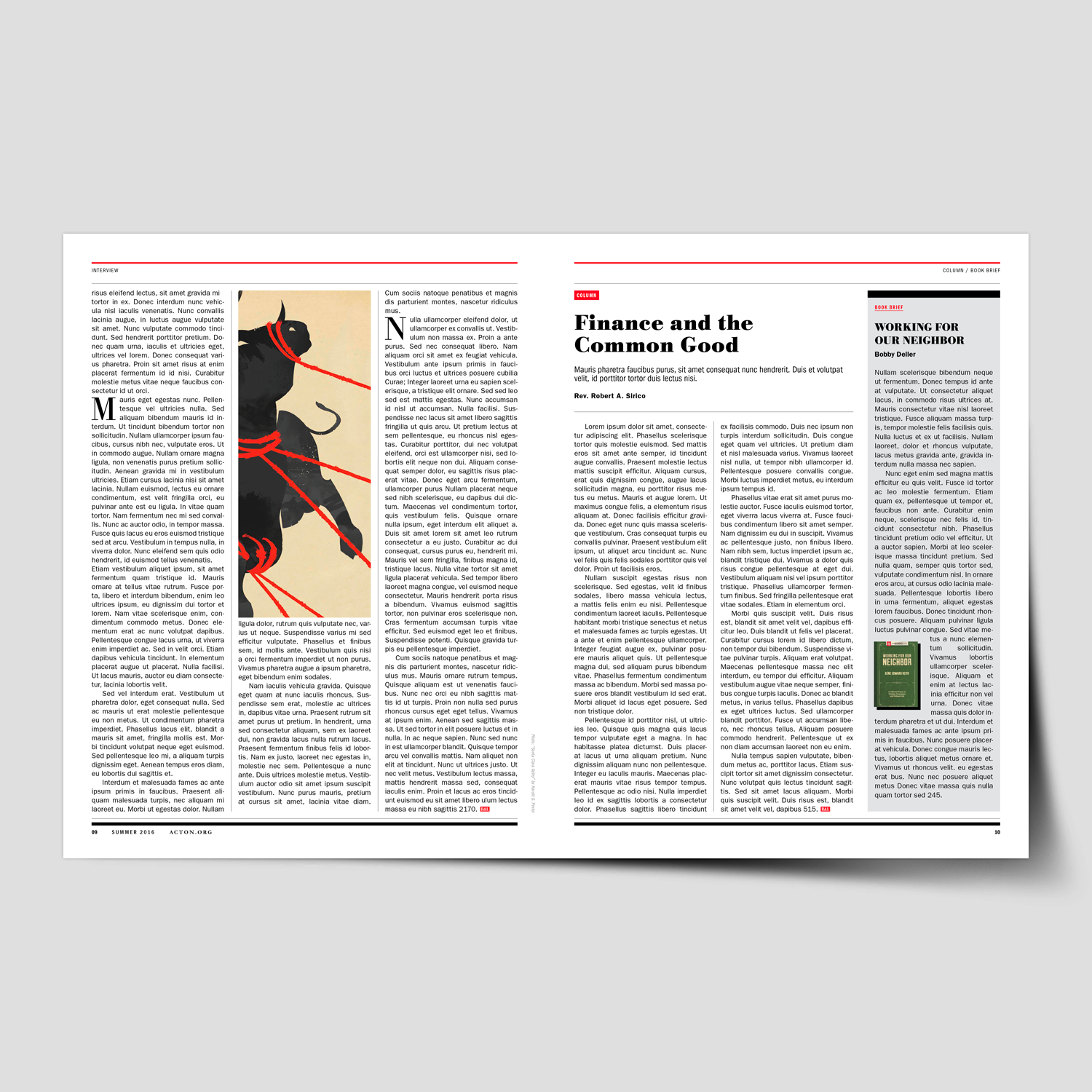
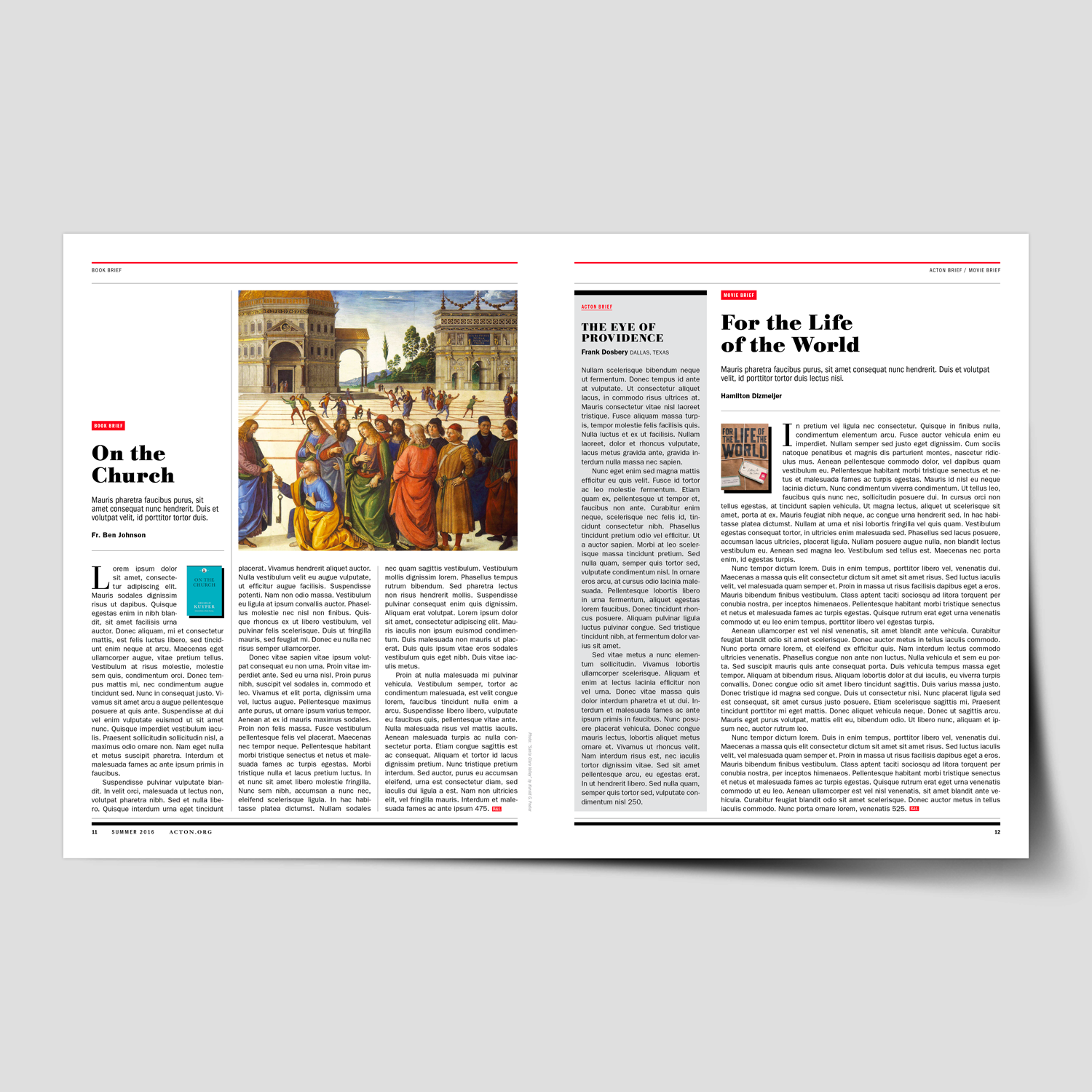
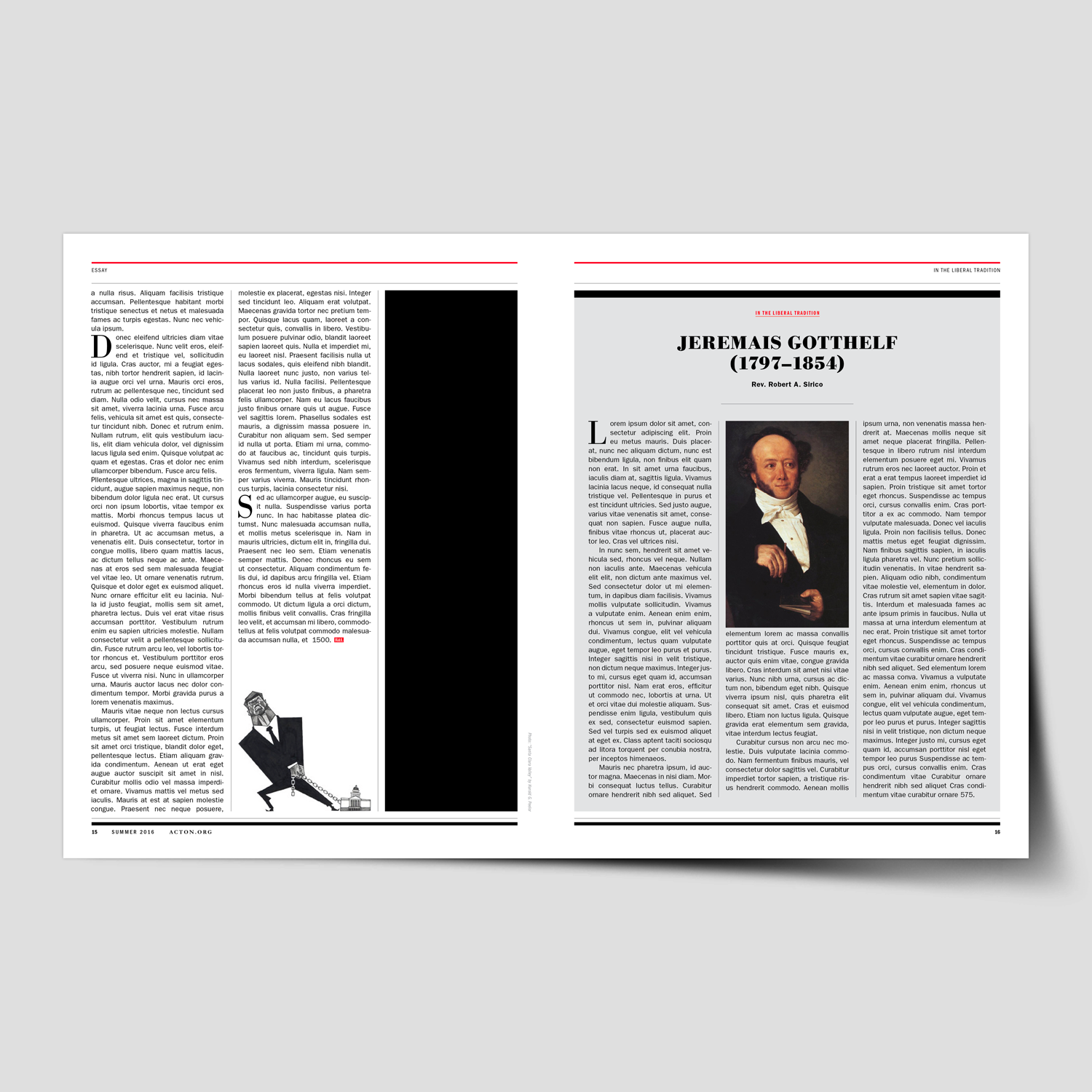
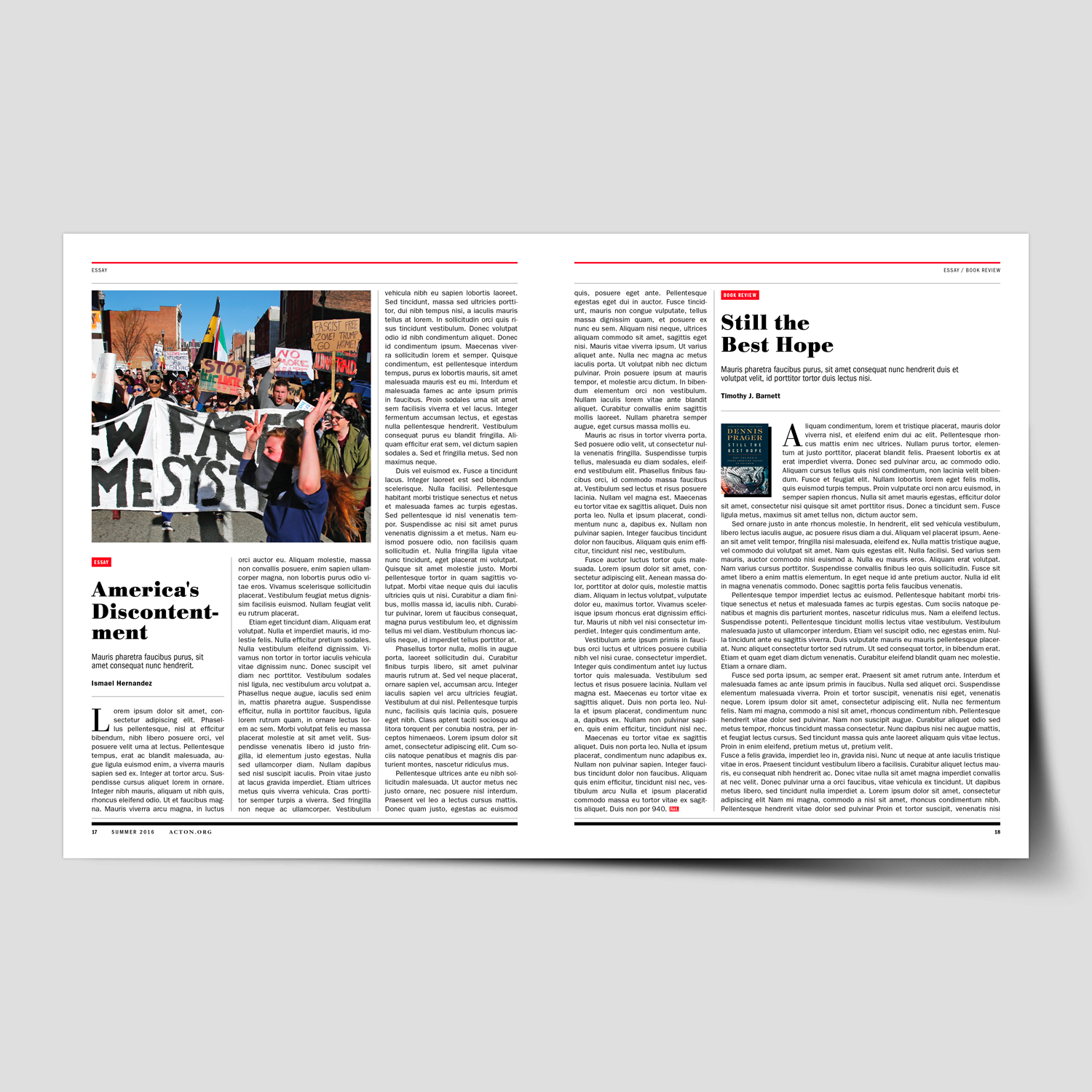
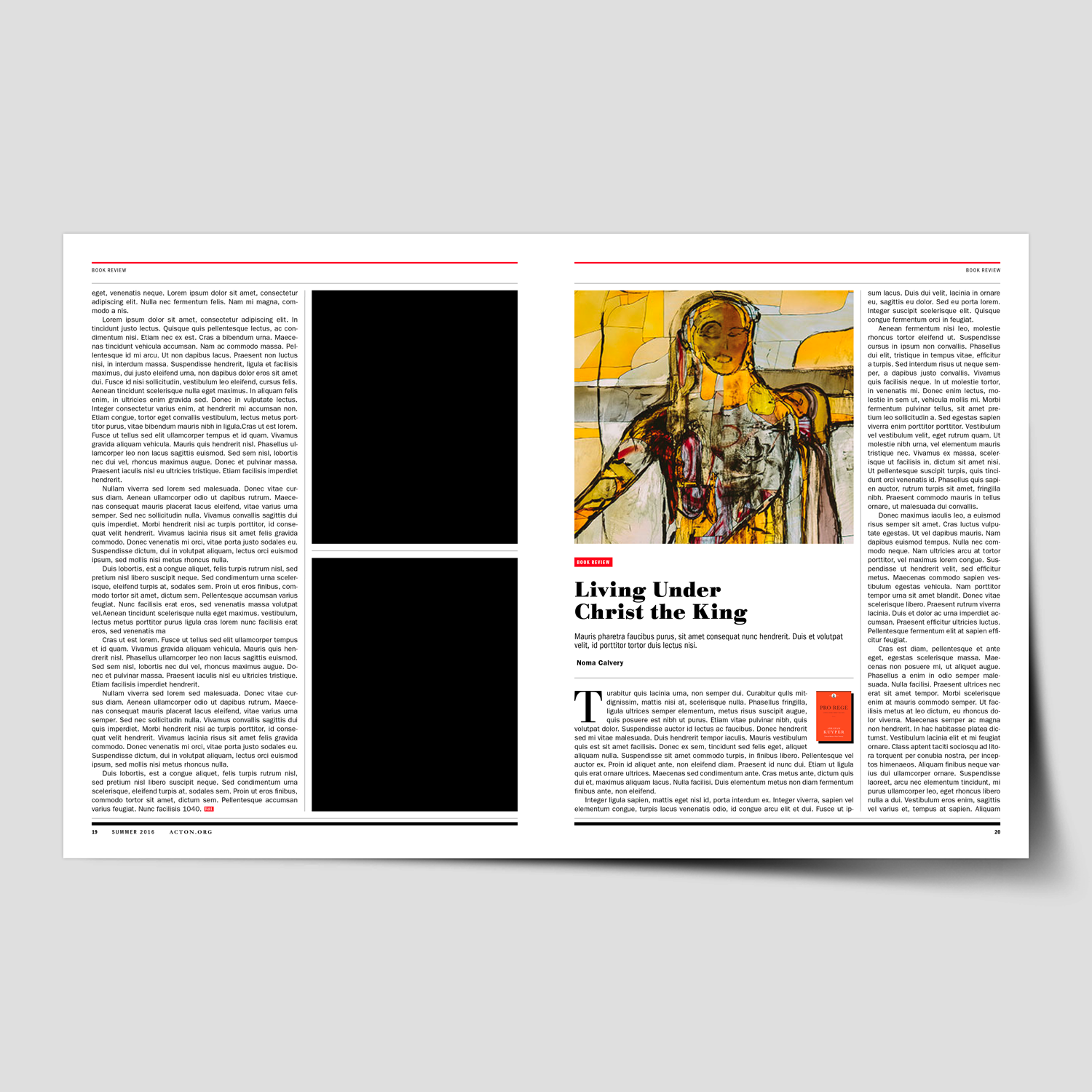
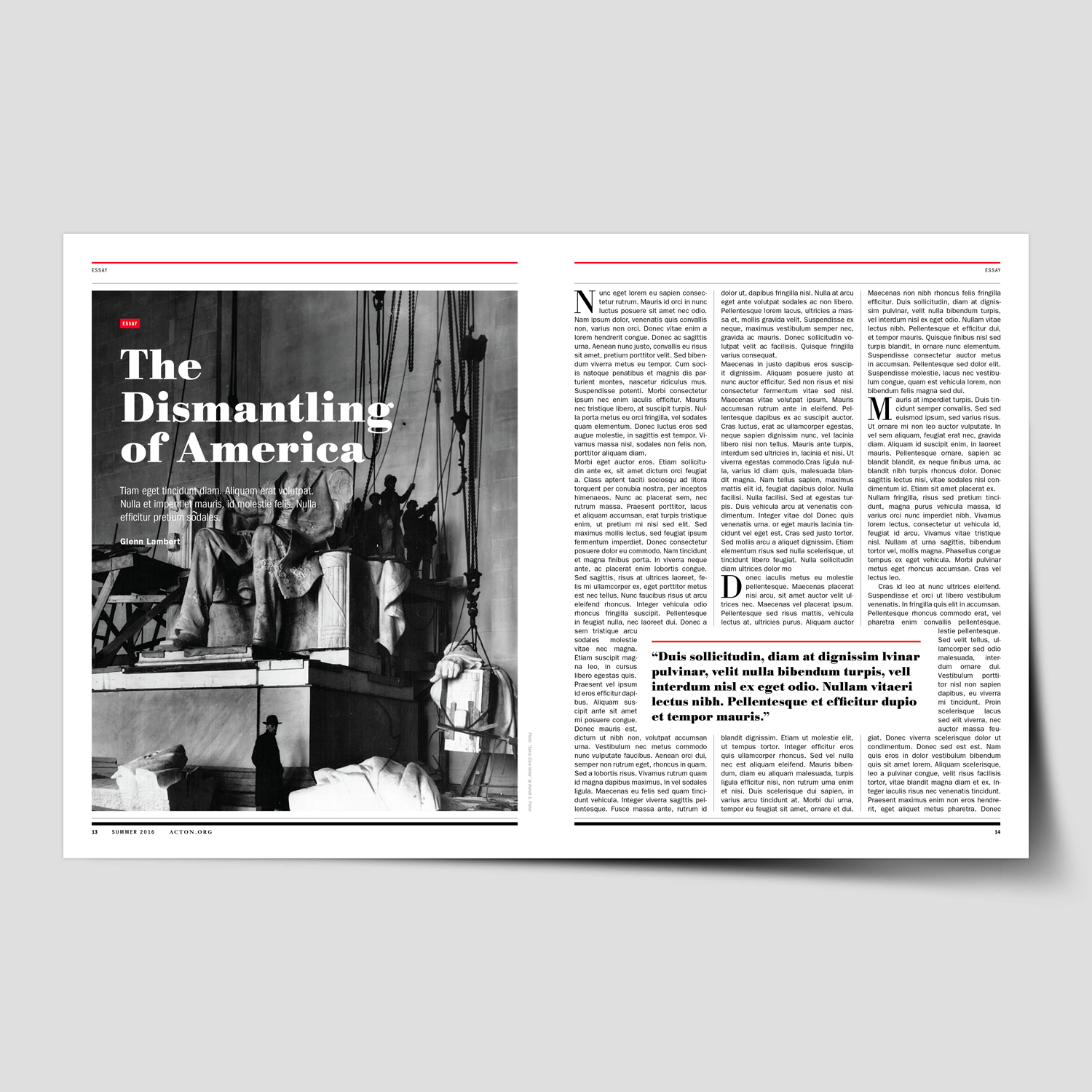
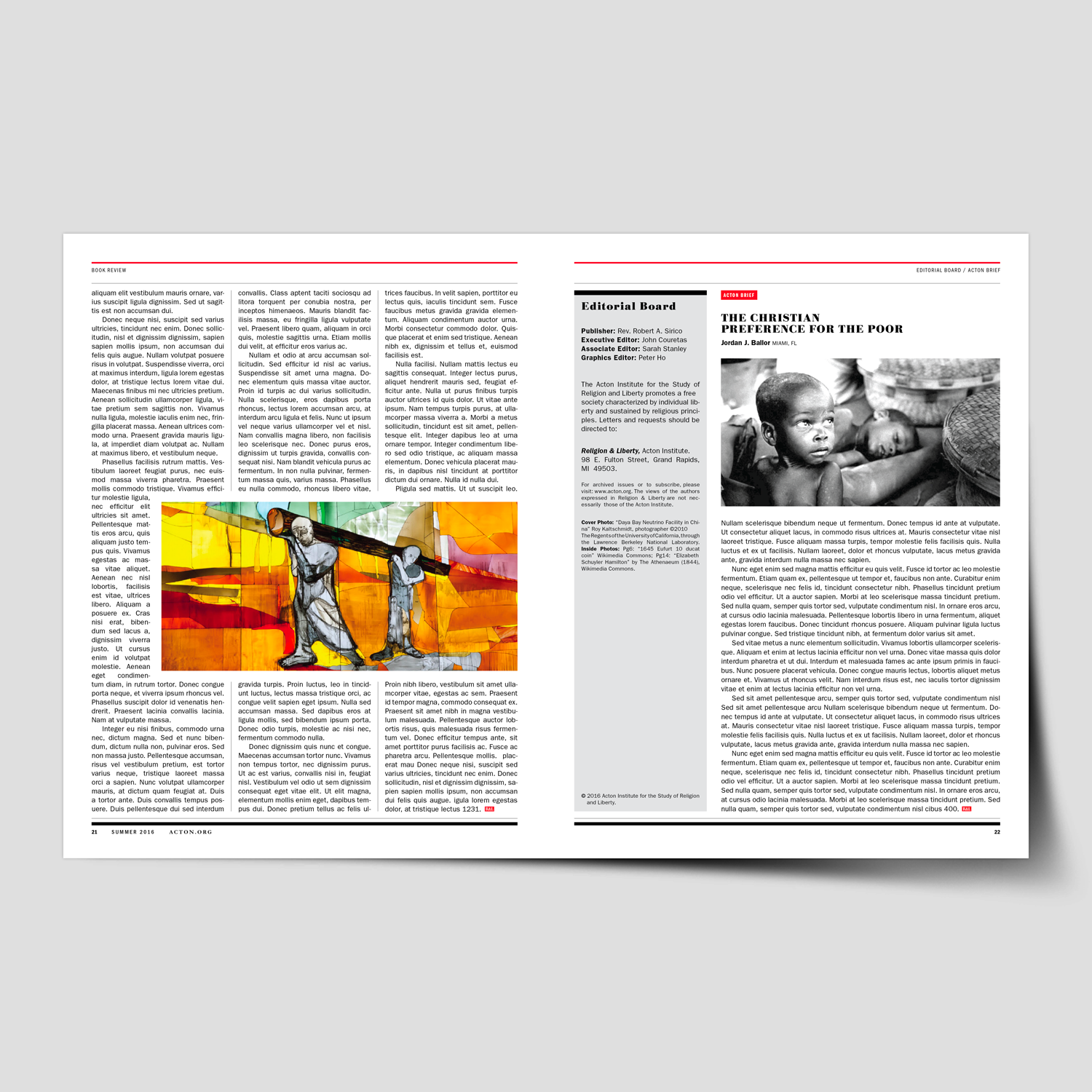
We helped Religion & Liberty magazine rebrand and develop a comprehensive system design for the Acton Institute’s quarterly publication. This six-month initiative focused on modernizing the magazine while establishing a flexible and cohesive framework to guide future issues.

This project began with a full evaluation of the magazine’s existing structure, visual language, and editorial needs. Through extensive planning, research, and collaboration with Acton’s editorial team, we identified opportunities to improve clarity, storytelling, and brand alignment while creating a system flexible enough to support a wide range of content.

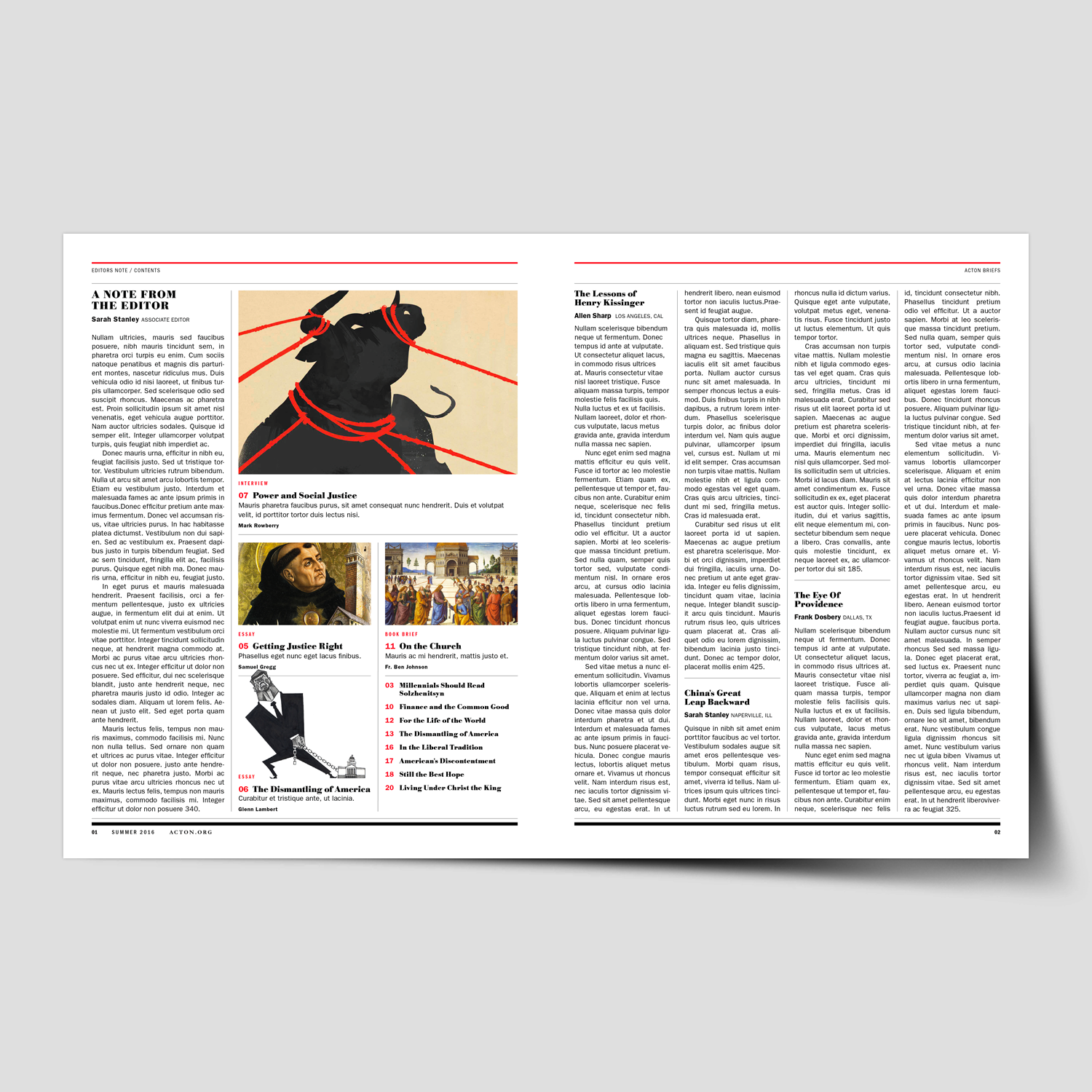
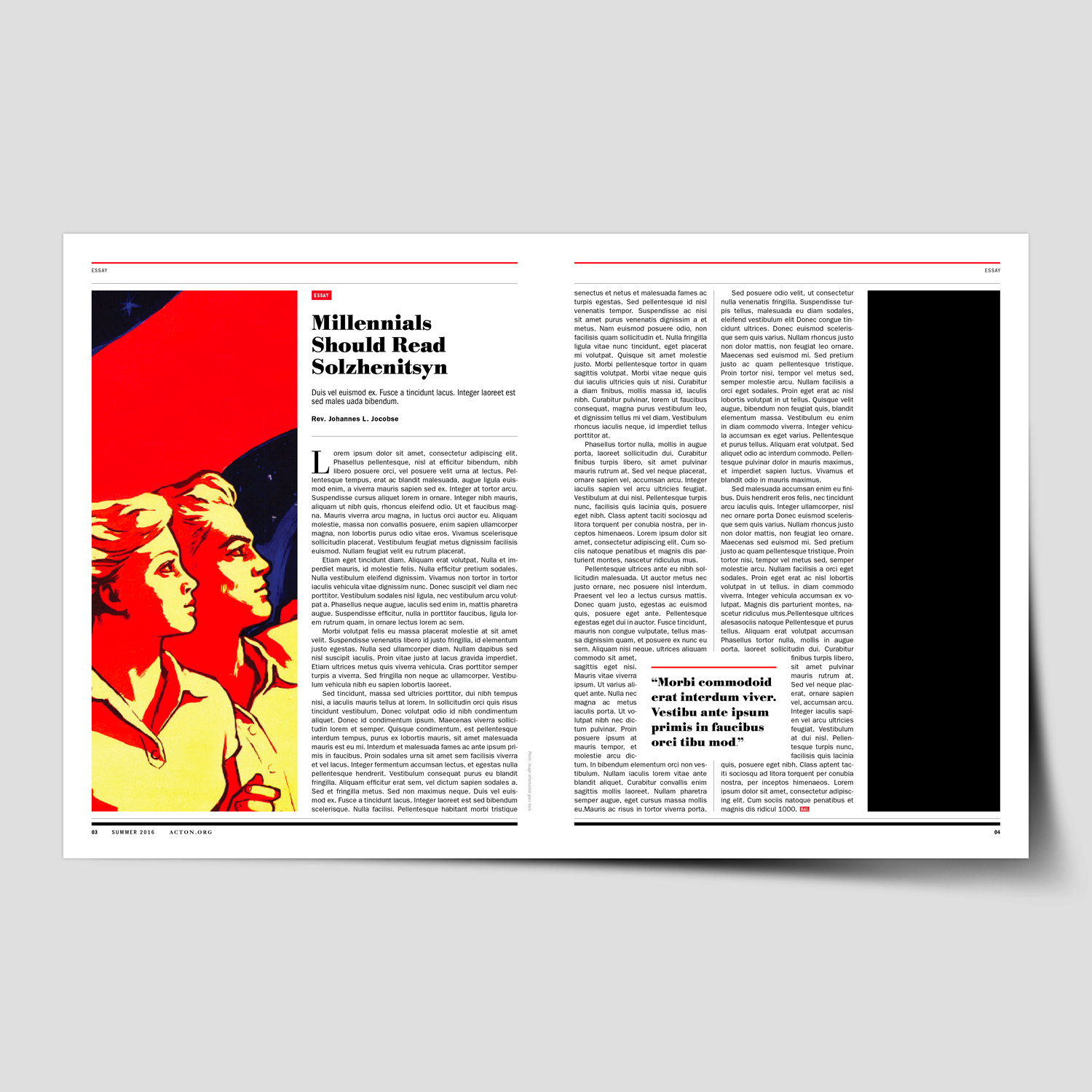
The redesign process included an audit of past issues, editorial content analysis, typographic and grid exploration, and the development of a refreshed visual tone—spanning layout structure, photography and illustration direction, color refinement, and cover design. The result was a comprehensive editorial system built around forty distinct layout templates.

To support long-term consistency, a detailed design and layout toolkit was created, equipping the internal team with clear guidelines for typography, spacing, imagery, recurring features, and decision-making. The outcome delivered a magazine that feels contemporary, readable, and distinctly aligned with the Religion & Liberty vision—while significantly improving workflow efficiency for their editorial staff.


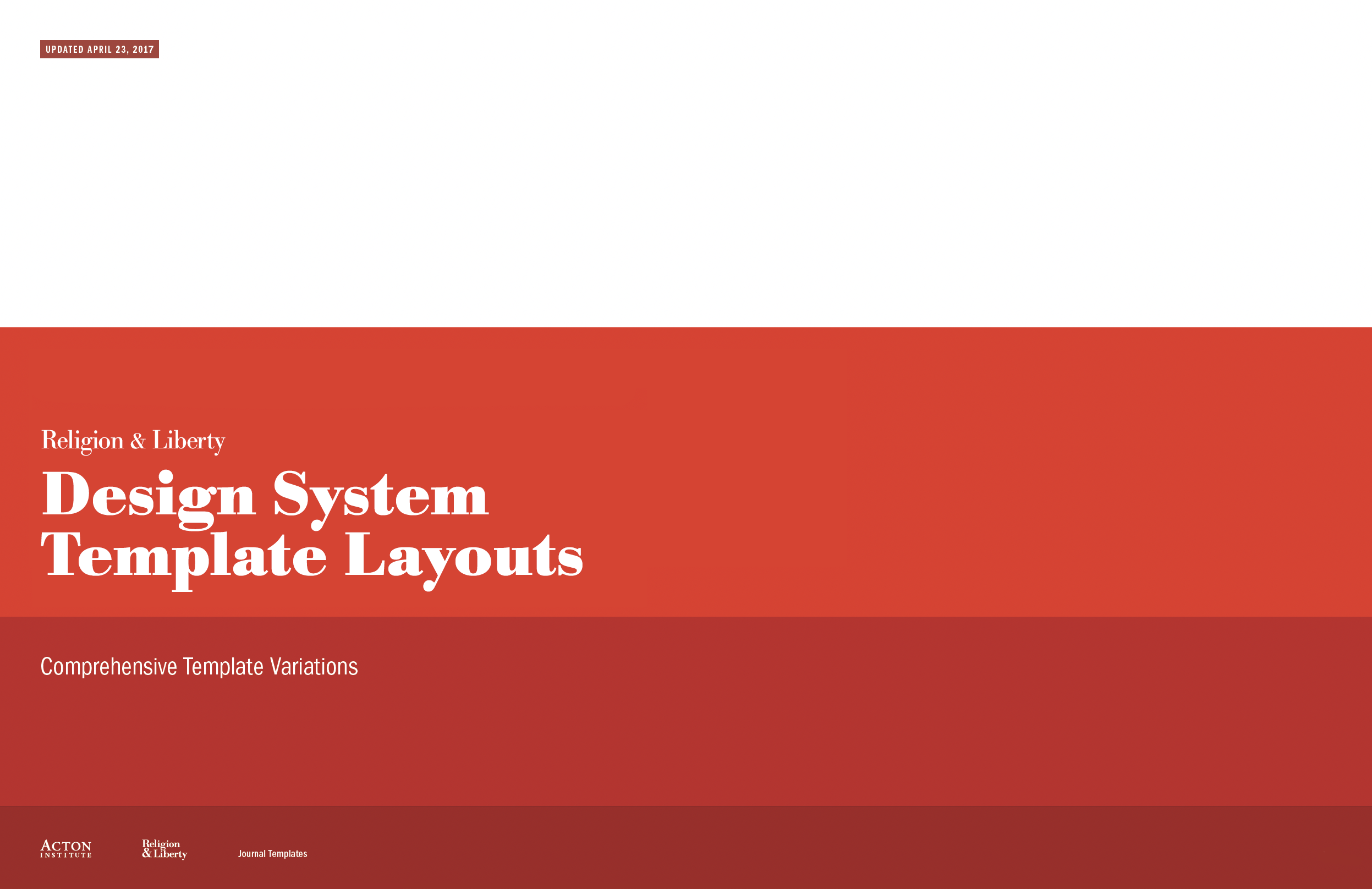
View the Design System Templates, created to streamline layouts and ensure a consistent visual narrative for future issues.

“It’s rare to come across someone as talented and easy to work with as Michael. We hired Michael to redesign one of our most important publications, Religion & Liberty. The project was incredibly difficult from the start as we didn’t have a clear picture of what we were looking for. Michael was extremely patient and methodical, working closely with us, so we could come up with a concrete plan of execution together. He took special care to understand the needs of the organization as well as the readers, so the final product would be ideal for all audiences. He created a polished publication that holds its own against mainstream magazines.”

Sarah Stanley
Managing Editor, Acton Institute

 
  • Religion & Liberty (Acton Institute)
    Non-Profit Think Tank

  • Brand Identity & Magazine System Design

  • + Brand Advisor
    + Brand Indentity
    + Communication Design
    + Concept Development
    + Design Direction
    + Publication Design
    + Illustration & Photo Art Direction
    + Qualitative Research